At some point during your career in the plumbing trade, you might have to replace a large outdoor grease interceptor.
Over time, these devices can deteriorate and become less efficient at trapping and preventing grease buildup. Most times, old concrete tanks will just flat-out break, causing major issues. Consequently, it becomes necessary to replace them.
Here we’ll dive into valuable tips and tricks for efficiently replacing old grease interceptors.
PLANNING AND PREP
Thorough planning and preparation are essential before undertaking a grease interceptor replacement project.
Initial inspection and documentation — Begin by inspecting the existing grease interceptor to identify any structural defects, corrosion or underlying issues. Documenting the interceptor’s dimensions, weight and access points will help determine the equipment and techniques needed for removal and replacement.
Consider why the old tank failed. Did the old tank fail because it’s in a poor location? Is it in a poor location due to an access issue? Did the tank crack because of surrounding earth movement? Does the nearby building show signs of settling, proving earth movement? Or did the local municipality condemn it for some specific reason? You’ll need to know these details.
Regulatory compliance — Speaking of local municipalities, it’s crucial to have a good understanding of local regulations and permits associated with grease interceptor replacement. Be sure to comply with guidelines for proper disposal of waste materials as well as safety protocols for the working area.
Equipment selection — Choose the appropriate replacement interceptor based on factors such as size, capacity and flow rate. You should get an engineer to size large grease interceptors. Additionally, determine the rigging and demo tools necessary for the project, considering factors like accessibility and maneuverability.
RIGGING TECHNIQUES
When it comes to actually picking the unit and setting it inside your hole or removing the old interceptor, safe and efficient rigging techniques play a critical role.
Equipment options — Depending on the size and location of the interceptor, various rigging equipment options are available, including rigging straps, slings, chains or hoists. Make sure you have the right gear on site to get the job done. Select the most suitable equipment for the task, considering weight capacities and space limitations.
Load distribution — To prevent an imbalance or damage, distribute the load evenly across multiple lifting points. Most of the new fiberglass or plastic grease interceptors have rigging instructions that come with the unit, including lifting tabs that are integral to the unit. This also aids in better control during the removal and installation process.
Securing the interceptor — Before rigging, adequately secure the interceptor to avoid unintended movement or damage. This should include a guideline being tied to the unit to keep your workers away from the physical unit while still maintaining control. You’ll also need to make sure you have a crane or an excavator that can more than handle the weight of the unit. Ensure all accessible connections, such as inlet and outlet pipe fittings, are properly disconnected and capped to prevent debris, odor or spills during the lifting process.
Rigging plan — Create a detailed rigging plan that outlines the order of operations, load capacities and precise lifting techniques. This plan should also consider the unloading and positioning of the new grease interceptor.
DEMO TECHNIQUES
Demolishing the old grease interceptor can be challenging. Implementing the right techniques will facilitate smooth removal while minimizing disruptions and risks.
Selective demolition — Depending on the size, accessibility and surrounding structures, selective demolition techniques can simplify the removal process. If the old interceptor is plastic or fiberglass, cutting the interceptor into sections allows for easier extraction and disposal. If the old interceptor is cement, you should get a jackhammer attachment for your excavator and beat it out. Abandoning the old unit, leaving it in place, cracking it and filling it up is sometimes done, but you need to make sure you have a reroute plan for your piping.
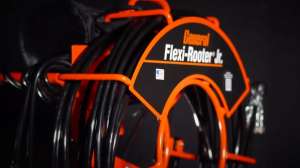
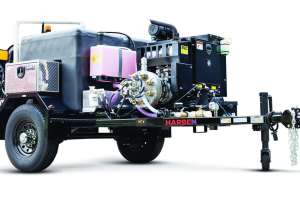
Jetting — Jetting can help break down and dislodge accumulated deposits. It significantly reduces the overall demolition effort and ensures a cleaner work environment.
Dust control and ventilation — Consider using containment barriers, dust collectors, and local exhaust ventilation systems to protect workers from harmful particles and prevent debris from spreading. More than likely, you’ll be outside replacing one of these, in which case you should still have some kind of plan to minimize or deal with dust.
Waste disposal — Work with a local septic pumping company and come up with a plan to dispose of the old grease. Then come up with a plan after consulting with local municipalities on their requirements for disposal of grease debris. Dispose of the demolished interceptor and any associated waste materials responsibly, adhering to local regulations. Coordinate with waste management companies or follow appropriate disposal protocols for options like recycling or landfill.
INSTALLATION TECHNIQUES
Proper installation of the new grease interceptor is crucial for it to function optimally.
Ensure proper alignment — Align the new interceptor perfectly with the existing sewer line, maintaining the appropriate slope and positioning. This alignment will facilitate the proper flow of wastewater, preventing potential clogs or backups. Transits and laser systems are critical during the prep stage since the hole you have will be giant. When you’re dealing with a large hole and a giant, unmodifiable interceptor, getting your elevations is critical. This cannot be overstated.
Leak testing — After installation, conduct thorough leak testing to confirm the integrity of all connections and seals. Perform this testing before backfilling or covering the interceptor to simplify any necessary adjustments or repairs.
Backfilling — Once the interceptor is properly installed and tested, backfill the area with appropriate materials, taking care not to damage the interceptor or its fittings. Compact the backfill material to avoid future settling issues. Most times, the manufacturers of the new interceptor recommend pea-gravel under and surrounding the unit.
Regular maintenance — Every municipality requires some sort of signed maintenance plan on new grease interceptors. Offer to be the company that does the interceptor maintenance weekly or monthly, even if you sub out the processing of the grease to another company. Your plan could offer routine jetting, chemical treatment of the lines leading to the grease trap, etc. Emphasize the importance of regular maintenance to facility owners or managers. This ensures the longevity and continued efficiency of the installed grease interceptor.
About the Author
Anthony Pacilla is a registered master plumber for McVehil Plumbing in Washington, Pennsylvania. He has over two decades of experience in the plumbing and HVAC trades, and has a bachelor’s in business and economics from Thiel College.
Continue reading for free