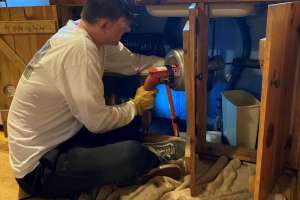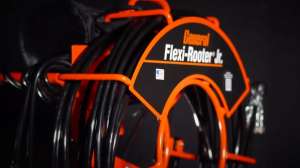

Over the last 30 years, I’ve seen a lot of drain cleaning machines in the field. Some look brand-new, and some are so battered that it takes me a few minutes to figure out what brand it is. I’ve seen month-old machines that look ready for the scrap heap and 20-year-old machines that look like they just came out of the box. After seeing all of these tools, I’ve learned that the differences between well-maintained and poorly maintained machines result from work habits.
Why maintenance habits matter in drain cleaning
Whether we realize it or not, we are all creatures of habit. Most of us spend the bulk of the day on autopilot while our feet and hands do things we’ve done a million times before. Overall, this is a very good thing. It allows us to be much more productive than if we had to relearn every task again and again throughout life. On the other hand, if we haven’t taken the time to discipline ourselves during the learning process, we can find ourselves habitually making mistakes and wasting time.
Tool maintenance is a critical work habit because it must be done every time the tool is used.
Two parts of every drain cleaning tool
Today’s drain cleaning equipment consists of two parts: the cables, jetter hoses, flexible shafts, and pushrods that we shove down a sewer, and their storage/delivery systems. Both need TLC every time they leave your truck.
The good news is that developing a better preventive maintenance habit for you and your technicians does not require a lot of time, effort or special equipment. However, it does require discipline to do it every time you use the tool. For example, I’ve seen contractors using drum-style snake machines getting great results by simply following this four-step maintenance protocol after cleaning a drain.
A simple 4-step routine for drum-style machines
1. Locate the drain hole
All General drum machines include a small drain hole at the rear of the drum. Rotate the drum so that this hole aligns with the six o’clock position.
2. Tip the machine onto its back
This shifts the hole to the lowest point in the drum, allowing any liquid to drain thoroughly. Leave the machine tipped while you fill out paperwork or close the job.
3. Apply Snake Oil
Return the machine to an upright position and pour or spray about one cup of Snake Oil into the drum. Don’t skip this; lubrication prevents corrosion and keeps cables smooth.
4. Run the machine
Turn the unit on and let it spin for about one minute. This distributes the lubricant evenly through the drum and drain cable.
Why this routine pays off
This process takes less than five minutes to complete. But when is it done every time?
- Extends the life of your drum and cables
- Prevents rust, corrosion and binding
- Cuts down your cable replacement costs
- Keeps machines running reliably on the job
We have found that simply getting into the habit of doing this four-step protocol every time you use the machine will significantly increase the longevity of your cable and drum. How much time and money would you save during the year if you only went through half as many drain cables? Wouldn’t the savings justify building a new habit into your workday?
Make maintenance a habit, not a hassle
Based on our experience, these results are easily attainable by following the above suggestions every time you use the machine.
For more information on establishing tool maintenance habits that save you time and money, call the Drain Brains at 800-245-6200 or visit drainbrain.com.