
City adds scanning system to combat rain-dependent infiltration
Problem: Oregon receives 2.8 inches more rainfall than the national average. As a result, rain-dependent infiltration (RDI) is an issue for cities such as Coos Bay, which receives between 60 and 80 inches of rain per year. RDI can be difficult to locate using visual methods, since in dry weather a defect may not be actively leaking so it may not be seen. Meanwhile, in wet weather, there may be too much water in the pipe to locate the defects visually. Coos Bay has an area zoned for industrial, commercial, single-family and multifamily development, which will add a large volume of sewage to the system. The city has analyzed the existing sanitary sewer system that serves this area and has determined that it is over capacity.
Solution: The city turned to Electro Scan technology for a way to locate and quantify its RDI. By locating and eliminating the RDI, the city hoped to be able to make room in the system for additional sewage.
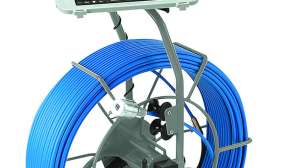
Result: Electro Scan testing was completed on four pipes. Sources of infiltration were identified, and results showed that the PVC pipe was in ideal shape and no defects were detected. However, the three concrete pipes were in varying conditions of disrepair; a total of 112 defects were located, representing an overall potential leakage rate of approximately 44 gpm, or 63,461 gpd. The data resulted in the city council’s decision to purchase an ES-620 for Sewer Mains system, which was installed in December 2015. 800/975-6149; www.electroscan.com.
Continue reading for free