I have a bad habit and that habit is keeping data on everything that I am involved in. As an example, my entire family is involved in bowling with the kids on the middle and high school team here in our community and my wife and I both in adult leagues.
I track all of our data. I keep track of our scores, what spares we leave, how we do on spare pickups and fill-percentages (getting strikes and spares and leaving open frames). I love tracking that data and seeing — hopefully — improvement as the season goes along.
I do that with other activities too. Tracking website data for the local water ski team’s website that I help with, and church attendance numbers, and so on. Let’s just say … I like data collection.
It’s really not a bad thing. It does help. For example, I look at the bowling data and I can see what my kids are missing out there with spares and help them adjust to start picking those up.
Nick Agentis, owner of Agentis Plumbing in Pennsylvania, is kind of the same way with data collection. As you’ll read in this issue’s profile on the company, that data collection helps him determine what to do with his company.
USING THE DATA
In today’s digital age, data has become the cornerstone of innovation, driving decision-making processes across industries, including plumbing. As plumbers, you might wonder how data fits into your world of pipes and wrenches. Data is not just for tech companies or marketers — it’s a powerful tool that can revolutionize the way you work and serve your customers.
Tracking data in the plumbing industry is not about monitoring website clicks or social media engagement. Instead, it’s about using information to optimize operations, enhance customer service and stay ahead of the curve in a rapidly evolving landscape.
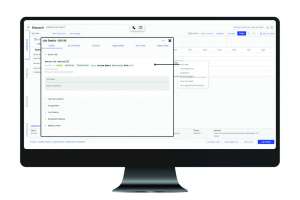
Agentis Plumbing, as you’ll read, uses a management software that provides a dashboard for every position on the team. That dashboard tells them their leading and lagging metrics and tells when they’ve beaten or missed goals.
By analyzing historical data on job durations, customer demand and technician availability, you can optimize your workflow to minimize downtime and maximize productivity. This not only boosts your bottom line, but also enhances customer satisfaction by ensuring timely service delivery.
FOR YOUR CUSTOMERS TOO
One of the most immediate benefits of tracking data is in preventive maintenance. By collecting and analyzing data from your clients’ plumbing systems, you can identify patterns and trends that indicate potential issues before they escalate into costly emergencies. Imagine being able to predict a pipe leak or a clogged drain before it happens, saving your clients time, money and headaches.
By leveraging technologies like Internet of Things sensors and smart meters, you can collect real-time data on water usage, pressure levels and temperature variations. This wealth of information opens up new opportunities for proactive maintenance, water conservation initiatives and even predictive analytics to anticipate future plumbing needs.
GET BEHIND DATA
I urge you to embrace the power of data in your plumbing business. Whether you’re a solo practitioner or a large-scale operation, tracking data can unlock a world of possibilities for efficiency, innovation and customer satisfaction.
Dive into the data pipeline and let it flow towards a brighter, more prosperous future for your business and the plumbing industry as a whole.
Let me know what data you collect and how you use it. You can email me at editor@plumbermag.com.
Enjoy this issue!
Continue reading for free