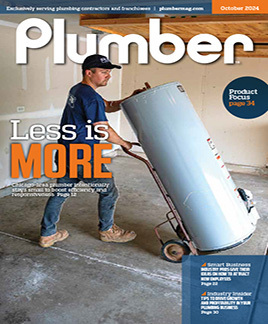
The plumbing industry is no stranger to change. From the early days of lead pipes and hand pumps to today’s smart home systems and sustainable solutions, plumbing has always evolved in response to new challenges and opportunities.
Right now, however, it seems like the pace of change is faster than ever. As we find ourselves nearing the end of the second half of 2024, the industry is witnessing several dynamic shifts that are reshaping the way you might do business.
THE PUSH FOR GREEN
Sustainability is not just a buzzword; it’s becoming a mandate. With increasing regulatory pressures and growing consumer demand, greener plumbing solutions are rapidly gaining traction. New legislation across various states and countries is pushing for more eco-friendly standards in building and renovation.
Meanwhile, the global push towards net-zero carbon emissions is steering the industry toward innovative solutions. Manufacturers are introducing new products like low-flow faucets, dual-flush toilets and graywater recycling systems that are designed to conserve water and reduce waste. In addition, advancements in water heating technology, such as heat pump water heaters and solar thermal systems, are providing more energy-efficient options for residential and commercial buildings alike.
TECHNOLOGY’S GROWING ROLE
Technology continues to revolutionize every aspect of our lives, and plumbing is no exception. Smart plumbing systems are gaining popularity among homeowners and commercial property managers alike. These systems offer unprecedented control and efficiency, allowing users to monitor water usage, detect leaks and manage temperature settings remotely.
Leading the charge in this technological revolution are products like smart water meters, which provide real-time data on water consumption and can alert users to potential leaks. Similarly, smart leak detection systems are becoming more sophisticated, using artificial intelligence to predict potential failures before they happen.
For plumbing professionals, this trend presents a dual challenge and opportunity. To stay competitive, it’s important to become proficient in the installation, maintenance and troubleshooting of new technologies. This might require additional training or partnerships with tech companies, but the payoff could be substantial.
SUPPLY CHAIN CHALLENGES AND RISING COSTS
The plumbing industry, like many others, is feeling the impact of ongoing global supply chain disruptions. From raw materials like copper and PVC to finished products such as fixtures and fittings, supply chain bottlenecks have led to increased costs and extended project timelines. According to a recent survey by the Plumbing Manufacturers International, 78% of plumbing professionals reported delays due to supply chain issues in the first half of 2024.
These challenges are pushing many businesses to adapt by diversifying their suppliers, investing in local manufacturing and rethinking inventory strategies. Additionally, forward-thinking companies are leveraging digital supply chain management tools to better forecast demand and manage stock levels.
PREPARING FOR THE FUTURE
As we look ahead to the rest of 2024 and beyond, it’s clear that the plumbing industry is in a state of transformation and there is no shortage of challenges to tackle. With these challenges come opportunities for growth, innovation and leadership.
Let me know how you are planning on tackling some of the challenges ahead. Email me at editor@plumbermag.com.
Enjoy this issue!
Continue reading for free