
Experienced plumbers know that protecting pipes and fixtures during construction is crucial. The integrity of these structures can be compromised if not adequately safeguarded, leading to costly repairs and replacements.
Here are some tips on protecting pipes and fixtures during construction.
Protecting Pipes
Pipe guards/plastic sleeves provide excellent protection for plastic and copper pipes. These guards shield the pipes from corrosive elements in the surrounding soil, minimizing the risk of leaks and damage. Investing in pipe guards can ensure the pipes' longevity and reduce the need for future repairs.
Oatey Pipe Guard sleeving is used primarily in concrete-slab construction when pipes are set into the concrete. It accommodates ½-, ¾-, and 1-inch piping and is color-coded red for hot-water piping and blue for cold-water piping.
Pipe wrap is another pipe protection solution, as it acts as a protective layer against moisture and potential damage in various construction scenarios. Foam wraps protect drainage pipes during concrete or cement board installation and offer optimal insulation and protection when dealing with large drainage pipes passing through cement. They help maintain the integrity of the pipes during construction, safeguarding them from potential damage caused by heavy machinery or materials. Foam wraps are a reliable solution for ensuring the long-term functionality of these pipes.
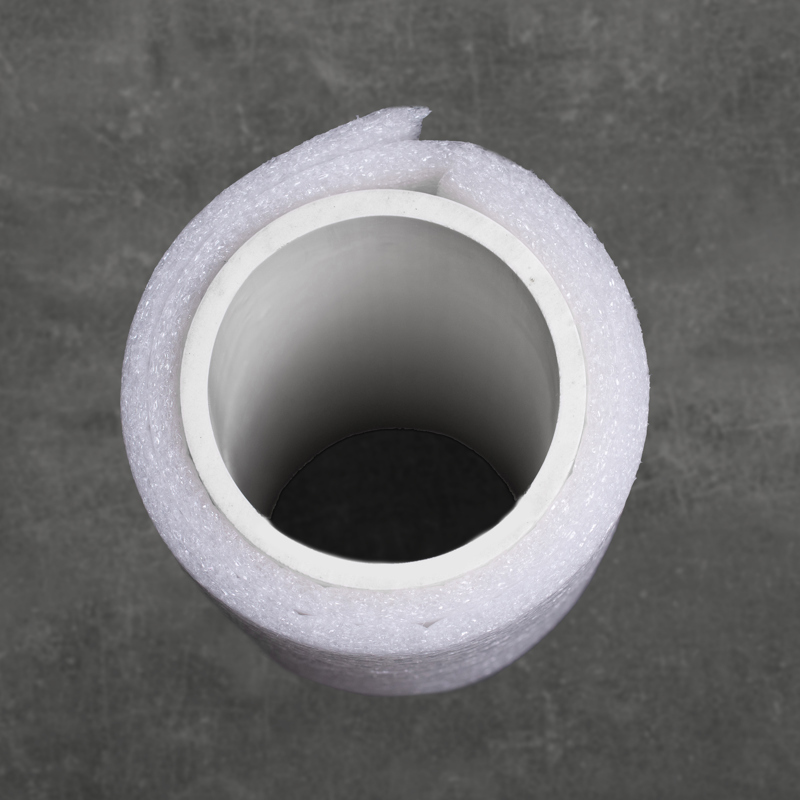
Foam wrap can also be used to create a clearance for flanges during toilet installations. Oatey Foam Closet Spacers or Foam Closet Wraps are designed to allow for easy removal from concrete pours. The Foam Closet Spacer is pre-formed to fit around the closet riser, and the Foam Closet Wrap must be wrapped around the closet riser.
To protect pipes that go through surfaces prone to corrosion, such as concrete or metal, pipe wrap tapes are highly recommended. These tapes act as a barrier, preventing contact between the pipe and the corrosive material. By utilizing pipe wrap tapes, you can efficiently safeguard pipes and reduce future maintenance needs.
Stud guards prevent accidental damage to water pipes, drain pipes, and other fixtures by installing studs before drywall installation. These protective measures ensure that water pipes and other crucial plumbing components remain intact during and after construction, preventing costly repairs or replacements down the line.
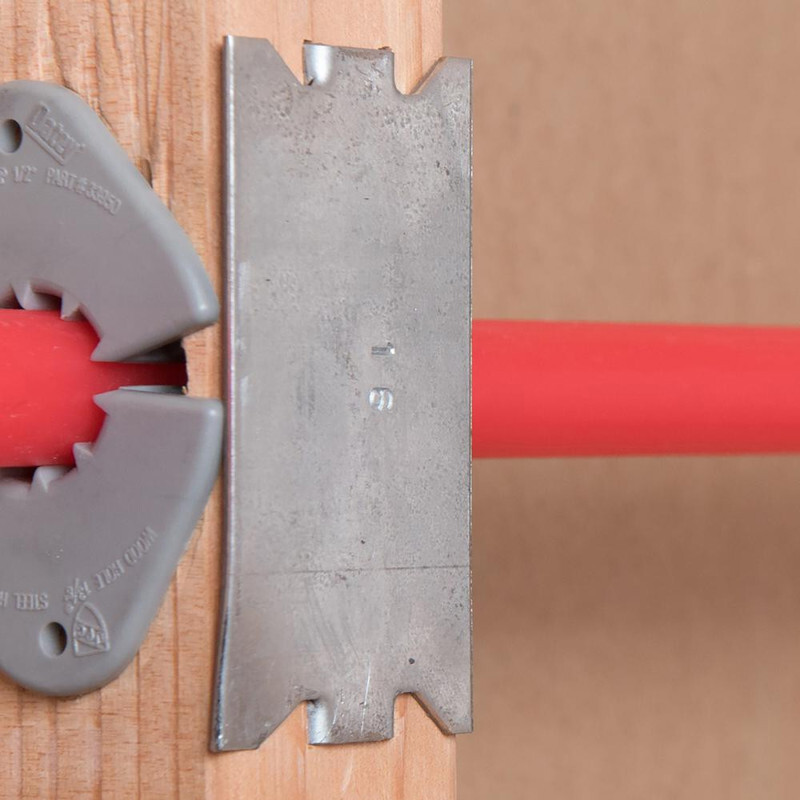
Oatey Stud Guards and FHA Plates are designed to protect pipes and wiring from nails and screws after installation. Made of durable galvanized steel, stud guards and FHA plates offer easy installation. Stud guards are installed on rough studs before drywall placement.
In locations prone to freezing temperatures, such as attics and crawl spaces, protecting pipes from bursting due to freezing is essential. Heat tape offers an effective solution by wrapping around pipes in exposed areas and regulating the temperature to prevent freezing. Properly applied heat tape can save you from the inconvenience of dealing with burst pipes.
When it comes to protecting pipes and fixtures during construction, pipe plugs are a valuable tool every plumber should have in their arsenal. One popular type of pipe plug is the Cherne Gripper Plug, which keeps debris out and ensures a clean construction process. However, it’s important to note that pipe plugs, in general, offer versatile solutions for various plumbing scenarios.
One option is to use solvent weld caps, which are designed to fit onto stub-outs from sinks or bathroom fixtures. These caps not only prevent anything from going down the pipe, but also allow for testing. This means that plumbers can easily isolate specific sections of the plumbing system for inspection or pressure-testing purposes. Solvent weld caps provide a secure and reliable seal, ensuring no water or debris enters the pipes during construction or testing.
Rubber pipe plugs are another type that plumbers commonly use. These plugs feature a band on the side that can be tightened down using a nut driver, providing a snug fit and a reliable seal.
Similar to Cherne Gripper Plugs, rubber pipe plugs — like the Cherne Test-Kap caps — can serve the same purpose of keeping the hole free from debris during construction. However, what makes them particularly convenient is their reusability. Plumbers can use one rubber plug for multiple jobs, making them a cost-effective and sustainable option.
When dealing with situations in which a toilet has been removed during construction, a smart way to prevent debris from entering the drain pipe is to use a pipe plug. Consider using the Cherne End of Pipe Gripper, available in 3-inch and 4-inch sizes, to cap the open pipe. This product ensures that sewage gas is contained and prevents debris or materials from entering the sewer system.
Painting exposed pipes, such as gas pipes, protects them from corrosion. Paint acts as a protective coating against moisture and extends the lifespan of metal pipes.
Protecting fixtures and other protection measures
Tub protectors safeguard fixtures during construction, particularly when tubs are installed before the surrounding walls. These protectors prevent damage caused by construction activities and provide a barrier against debris.
Oatey Bath Tub Protectors are manufactured from semi-flexible plastic to deliver durable protection during construction and remodeling. They are designed with pads on the bottom to absorb shock, prevent scratches or dents and fit left- and right-hand drain tubs.
Plastic or cardboard covers can be used to protect fixtures, such as sinks and urinals, during construction. These covers are temporary and highly effective in preventing damage.
To prevent any mess or damage caused by drips and leaks when removing toilet fixtures, use water absorbing crystals like Oatey Liquilock, which solidifies water in four to five minutes. Turn off the supply line, flush the outlet and hold, draining all water from the tank. Measure one cap from the Bulk Pack Liquilock and pour it into the bowl. Watch as the crystals absorb the water into a gel in only minutes. Then, you can remove the toilet or hot-water tank without messy spills. Lastly, reconnect the waterlines and flush the gel away.
Following these tips can effectively protect pipes and fixtures during construction. Investing in these protective measures not only preserves the integrity of plumbing systems but also reduces the need for costly repairs and replacements in the future. As dedicated professionals, it’s essential to prioritize these practices to maintain the highest standard of craftsmanship and customer satisfaction.
About the Author
Sean Comerford is a technical applications manager at Oatey Co. He is a third-generation tradesman with nearly 20 years of plumbing experience. He can be reached at technical@oatey.com.
Continue reading for free