Detecting leaks is a critical skill for plumbers as it helps save water, prevent structural damage and maintain customer satisfaction. By mastering a range of techniques, plumbers can quickly identify and resolve leaks, ensuring efficient and effective service.
Here are some expert tips to enhance your leak detection practices.
KEEP YOUR EYES OPEN
The first step in leak detection is a thorough visual inspection. Water stains on ceilings or walls, mold or mildew growth, warped flooring and bubbling paint are all signs of potential leaks.
Pools of water near appliances or fixtures are another giveaway. Using a flashlight can help reveal hidden moisture in darker areas, providing clues to the source of the problem.
LISTEN CAREFULLY
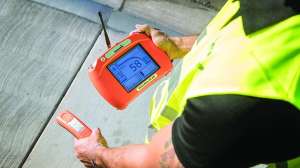
Modern acoustic listening devices are invaluable tools in a plumber’s arsenal. These devices amplify the sound of water escaping pipes, making it easier to locate hidden leaks. For best results, plumbers should work in quiet environments and focus on areas where pipes are most likely to run.
Adjusting the sensitivity of the device can help filter out ambient noise and pinpoint the leak more accurately.
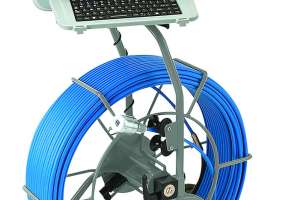
TAKE OUT THE CAMERA
Thermal imaging is another powerful method for detecting leaks, particularly those hidden behind walls, floors or ceilings.
Thermal cameras detect temperature variations caused by water escaping from pipes. By scanning for unusual cold or hot spots, plumbers can identify areas of moisture accumulation. This technique is especially effective for heated water pipes.
PUTTING THE PRESSURE ON
Pressure testing is a tried-and-true method for pinpointing leaks within a plumbing system. The process involves shutting off the water supply and attaching a pressure gauge to the system.
Monitoring the pressure levels over time can reveal drops that indicate leaks. Once a significant pressure loss is identified, plumbers can narrow their focus to specific sections of the system for further inspection.
COLORING THE WATER
Dye testing is a simple yet effective technique for tracing leaks in toilets, drains and sewer systems. By adding food coloring or specialized dye to the water system or fixture, plumbers can observe whether colored water appears in unintended areas.
This method is particularly useful for detecting slow or intermittent leaks that might otherwise go unnoticed.
GOING OUTSIDE
Detecting leaks in outdoor or underground lines can be more challenging, but specialized tools make the task manageable. Electronic leak detectors and ground microphones are particularly effective for locating leaks in buried pipes.
These devices amplify sound waves, allowing plumbers to detect water escaping from underground lines. When working in these areas, it is important to consider utility line locations to avoid accidental damage during excavation.
KEEPING RECORDS
Finally, thorough documentation of findings is crucial. Detailed records ensure transparency with customers and facilitate repairs.
Plumbers should take photos or videos of the affected areas, note the tools and methods used, and prepare a report summarizing the severity and location of the leak. This practice not only builds trust with clients, but also supports warranty claims if necessary.
By combining traditional methods with modern technology, plumbers can significantly enhance their leak detection capabilities. Investing in advanced tools and honing observational skills will result in more accurate and reliable service, ensuring long-term satisfaction for clients and minimizing water waste.
Continue reading for free