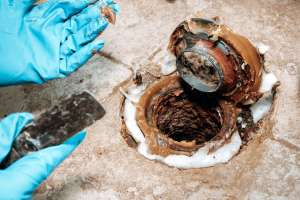
Corrosion in sewer lines is a pervasive problem that can have significant consequences, including damage, blockages, and costly repairs.
As a plumber and drain technician, it is crucial to possess comprehensive knowledge regarding the causes of sewer line corrosion, understand its impacts on both residential and commercial properties, and be familiar with preventive measures and treatment options available to effectively address the issue.
Here I’ll get into the causes of sewer line corrosion, discuss preventive actions in detail, and explore effective treatment methods for various property types.
Understanding sewer line corrosion
Corrosion occurs when sewer line materials deteriorate due to chemical reactions or environmental factors. To grasp this phenomenon better, let's delve into its two primary causes.
Chemical corrosion: Chemical corrosion is induced by corrosive agents present in wastewater, such as acidic substances and chemicals. Over time, the constant exposure to these substances can erode sewer line materials, leading to corrosion.
Electrochemical corrosion: Electrochemical corrosion, commonly triggered by stray electric currents, arises from various sources like misaligned electrical grounding. Such currents can accelerate the corrosion process in sewer pipes.
Preventive measures
To safeguard residential sewer systems from corrosion, here are some detailed preventive measures.
Regular inspections: Encourage homeowners to conduct routine camera inspections to identify early signs of corrosion, such as rust or pitting. This proactive approach can help detect issues so that they can be addressed promptly.
Proper waste disposal: Educate homeowners about the dangers of disposing corrosive materials, such as harsh chemicals, in drains and toilets. Promote responsible disposal methods to prevent damage to sewer lines.
Water quality analysis: Monitor the quality of the water supply entering residential properties and educate residents about its impact on sewer line corrosion. Recommending water treatment solutions, such as pH adjustment or filtration, can help mitigate the risk.
To protect commercial properties from sewer line corrosion, you can adopt the following preventive measures.
Implement professional maintenance plans: Advise commercial establishments to adopt comprehensive maintenance plans that include regular inspections, cleaning, and repairs by qualified drain technicians. Regular maintenance prevents corrosion and identifies potential issues before they become severe.
Optimize drainage system design: Work closely with builders and architects to ensure that commercial sewer systems are designed to handle specific requirements. Consider factors such as pipe materials, flow rates, and anticipated wastewater composition to minimize the risk of corrosion.
Cathodic protection: In cases where stray electrical currents are known to contribute to corrosion, suggest implementing cathodic protection systems. These systems help prevent corrosion by neutralizing stray electrical currents and protecting sewer pipes.
Treatment options
When addressing sewer line corrosion in residential properties, the following treatment options can be considered.
Mechanical cleaning: Utilize high-pressure water jetting techniques to remove corrosion buildup from sewer lines and restore their functionality. This method is effective at removing both chemical and electrochemical corrosion after-effects such as rust buildup.
Pipe lining: Suggest the implementation of state-of-the-art techniques like CIPP lining, where inserting a resin-coated liner into a damaged pipe rehabs it without the need for excavation. Pipe lining restores the structural integrity of corroded pipes.
Pipe replacement: In cases where corrosion is extensive or severe, complete pipe replacement may be necessary. While this is a more expensive option, it could be the best long-term solution, particularly for older homes with aging sewer lines.
When treating sewer line corrosion in commercial properties, the following treatment options prove effective.
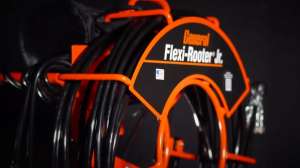
Advanced cleaning techniques: Utilize jetting or rotary cleaning methods to remove corrosion from commercial sewer lines. These techniques are particularly useful for removing thick layers of mineral deposits and rust that can hinder the flow of wastewater.
Trenchless technology: Consider adopting advanced trenchless repair techniques for commercial properties. These techniques, such as pipe bursting or pipe relining, minimize excavation and associated disruptions, reducing downtime for businesses.
Preventive coatings: If you have the equipment and expertise, suggest applying epoxy coatings to sewer pipes as a protective measure against corrosion. These coatings act as a barrier, preventing corrosive substances from coming in contact with pipe materials and extending the overall life of the sewer line.
A final word
As dedicated plumbers and drain technicians, it is crucial to stay proactive in addressing sewer line corrosion. By understanding the causes of corrosion, implementing preventive measures based on property type, and being familiar with effective treatment options, we can ensure the smooth flow of wastewater and minimize costly repairs.

About the Author
Anthony Pacilla is a registered master plumber for McVehil Plumbing in Washington, Pennsylvania. He has over two decades of experience in the plumbing and HVAC trades and has a bachelor’s in business and economics from Thiel College.
Continue reading for free