A slow-draining sink, shower or other fixture is typically approached as a drainage problem.
But when the drain has been cleared, and the issue persists, diagnosing the cause can become more challenging. What may initially seem like a straightforward drainage complaint can require looking beyond the drain to determine what is affecting the system.
When it might be venting related
While venting problems are less common because vent piping does not carry solids, a vent can be blocked by an animal or debris, or it can be damaged or improperly installed. Gurgling can be a sign of a venting issue, although it can also occur with a partially blocked drain.
Venting can affect drainage because water moving through the drainage system pulls air along with it. The vent allows air to enter the system. Without adequate airflow, the consequent negative pressure can affect drainage and siphon from P-traps.
When should you consider an AAV?
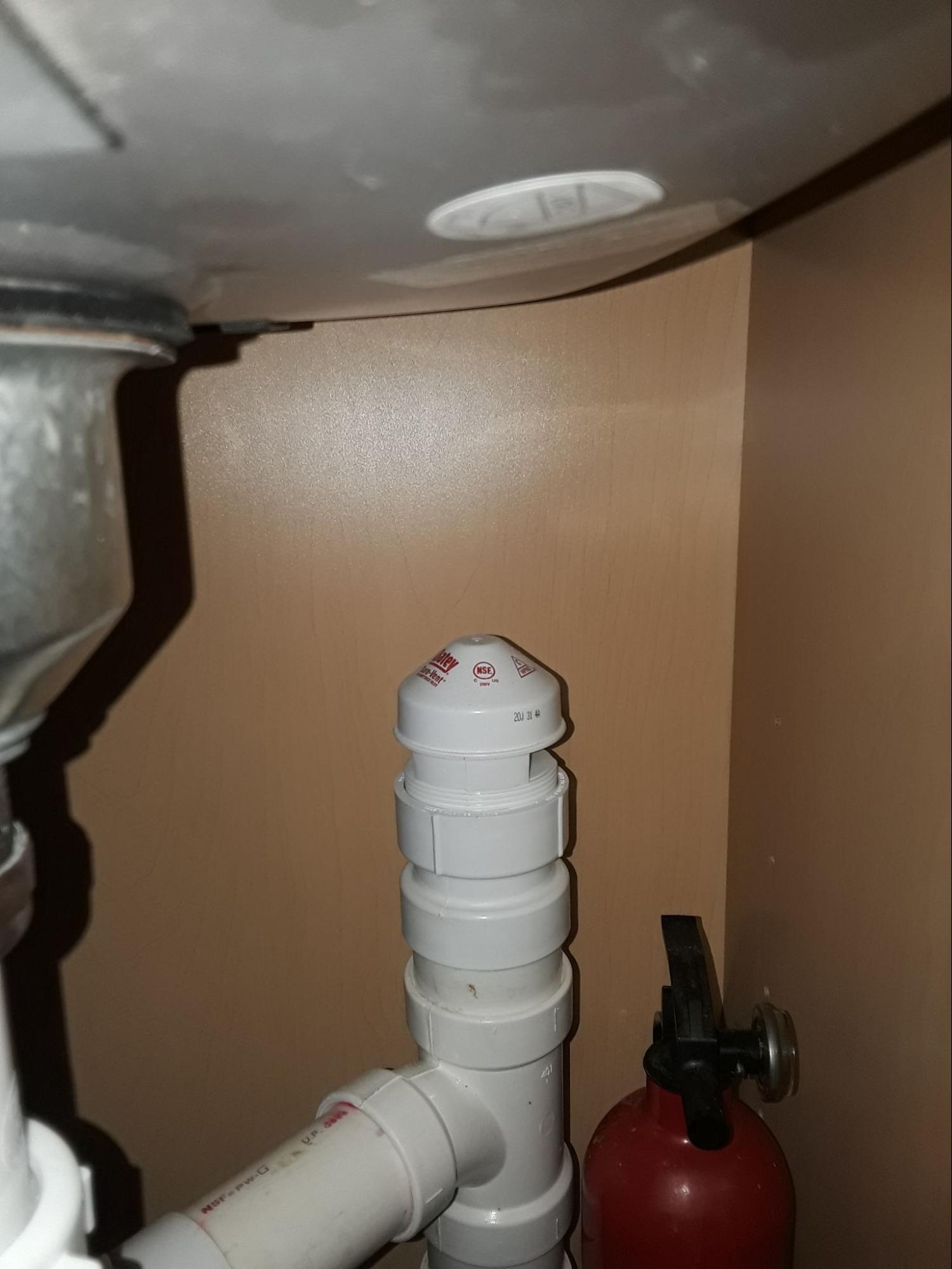
An AAV (air admittance valve) can help determine whether venting is contributing to a drainage problem before more invasive work begins. That is, you could install a temporary AAV in an accessible location and see whether drainage improves. Or an AAV may provide the permanent solution needed.
Depending on the plumbing configuration, an AAV doesn’t always need to be installed directly at the fixture draining slowly. An AAV installed under a sink, for example, can also vent another fixture, such as a shower. Because installation requirements vary by location, always check your local plumbing code to confirm whether AAVs are approved for use in your area.
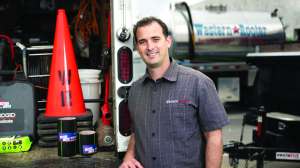
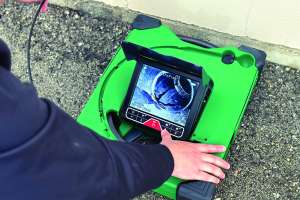
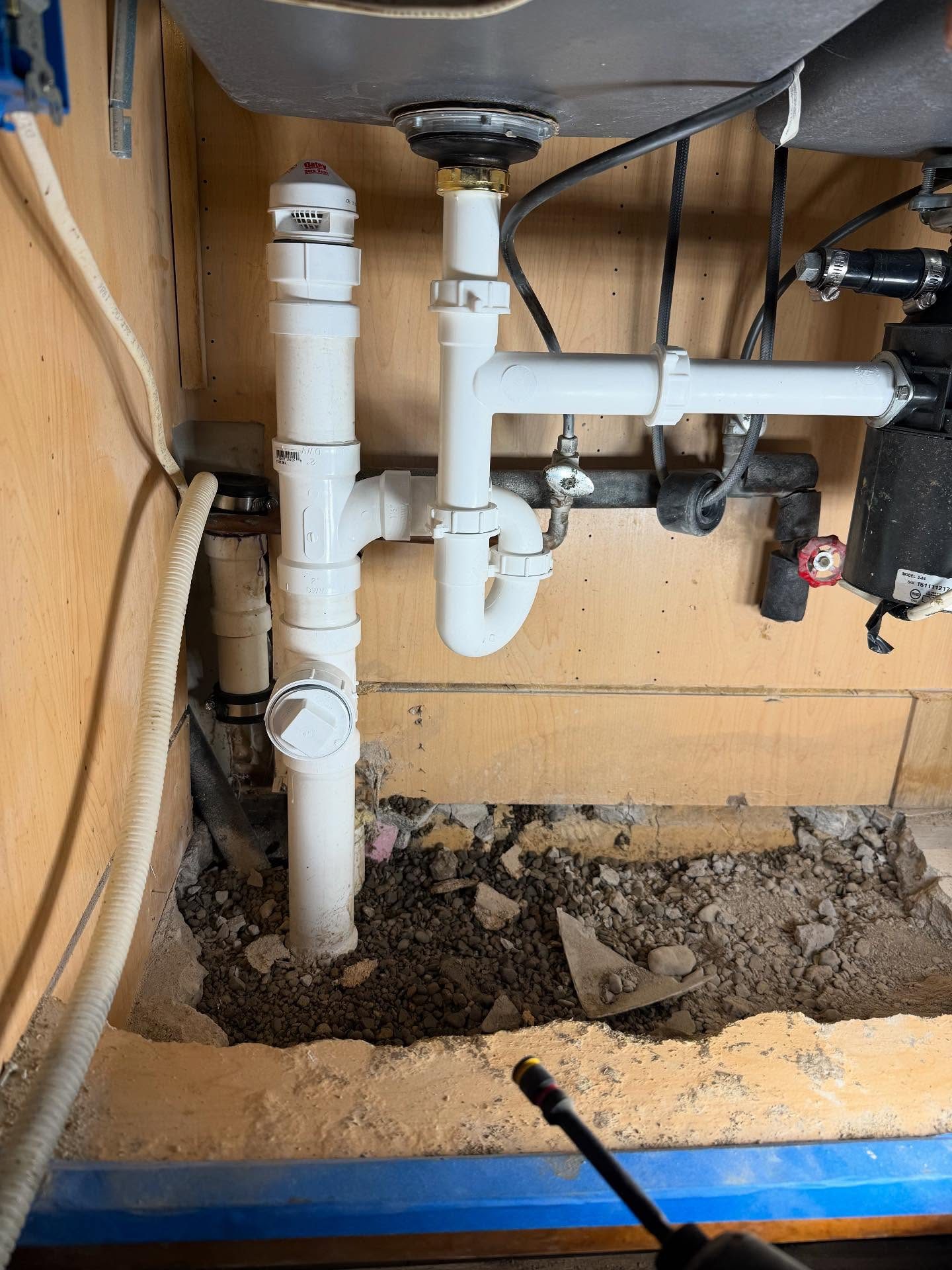
This approach was used by Kimbel Donayre, owner of Kimbel Donayre Plumbing in Niagara Falls, Ontario, who encountered this situation when a shower in a newly constructed basement bathroom drained so slowly that water built up and overflowed onto the floor. Donayre used a camera to investigate the P-trap but could not clearly identify the cause. He then cut into the pipe and added a temporary vent to determine whether inadequate venting was contributing to the problem.
After determining that venting was the issue, Donayre installed an AAV in the linen closet. Because the shower was located in a basement, traditional venting would have been too costly for the homeowner. The AAV was installed within a few hours, and the shower was then drained properly without further issues.
What if the problem isn’t the vent?
Typically, a drainage or sewer odor complaint is not related to venting. If a fixture has water in its P-trap but a sewer odor persists, AAV will not resolve the issue because the source of the blockage or odor is likely elsewhere. Potential issues include:
Sink overflow buildup: On sinks with an overflow, buildup can accumulate inside the overflow area or around the connection between the overflow and drain assembly. Because this area is not protected by the water in the P-trap, bacteria and buildup can cause odors. Cleaning the pop-up assembly and overflow area may resolve the issue.
Dry floor-drain trap: Floor drains that rarely receive water can eventually dry out, allowing sewer gas to enter the space. Adding water to the drain can restore the trap's water seal and may resolve the odor. Another option is to install a drain seal designed to block odors, gases, and insects from entering a home or building through the drain without restricting flow.
Bad toilet wax ring: A bad wax ring under a toilet can allow sewer gas to escape without producing an obvious water leak.
Here's an AAV sewer gas explainer.
Why an AAV can be easier than repairing existing venting
Repairing an existing vent can become significantly more complicated once finished areas need to be opened. This is particularly true with older cast-iron piping, where disturbing deteriorated sections can cause additional damage and require more extensive repairs.
Potential complications include:
Accessing the damaged section: A plumber may have to cut into a wall or ceiling to reach the existing vent.
Finding more extensive deterioration: Once the damaged section is exposed, deterioration may extend beyond the initial extent.
Disturbing deteriorated cast iron: Once deteriorated, cast iron may begin breaking apart when disturbed.
Repairing finished areas: After the plumbing work is completed, walls or ceilings may need to be repaired and refinished. Paint, wallpaper, and other finish materials can add additional cost and labor.
For all these reasons, an AAV can provide a less costly, less invasive alternative to repairing an existing vent.
About the author: Sean Comerford is manager of Inside Sales and Tech Support at Oatey Co. He is a third-generation tradesman with nearly 20 years of plumbing experience, including serving as the lead plumber for commercial/residential new-construction, service and fire protection jobs. He holds a State of Ohio Fire Protection License for Sprinkler and Standpipe.
Continue reading for free