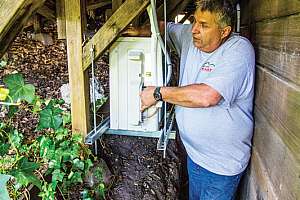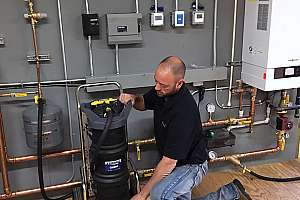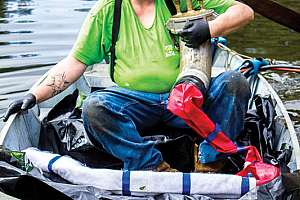
I enjoy seeing photos and stories contractors post on Facebook and other social media pages. It’s interesting to see the unique things plumbers come across — especially the strange setups you find in homes when customers try to fix things themselves.
One social media post caught my attention. It described a job that didn’t go as planned. The contractor responded to a service call where the customer had been without water because he damaged the compression stop under the
kitchen sink.
The plumber quoted a price and the homeowner agreed to it. The contractor finished the work, and that’s when things turned bad.
The homeowner haggled with the contractor, trying to get him to do the work for free or at a discount. The contractor tried to work with the homeowner but wasn’t going to give his work away. In the end, the homeowner refused to pay; the contractor cut the stop out, left the meter off, and left the job site.
What would you do if a paying customer became a nonpaying customer? Here are few recommendations:
- Get paid first and protect yourself with a contract — The contract can be as simple as invoicing the customer before the start of the work. Include a clause on the billing paperwork saying work will not be done until after a down payment or payment in full.
- Don’t rely on a handshake; document everything — A handshake is about as good as a verbal agreement. It’s not going to hold up in court if it comes down to small claims. Keep the emails between you and customers and make sure everyone has copies of the invoices and any other billing paperwork. When you get to the job site, make sure you have a written itemized quote and have the customer sign before starting work.
- Keep communication open — If you’re in the middle of a job and you run into a problem and know the price may increase, stop and inform the customer. The more you communicate, the better it will be for everyone.
- Know the risks and plan for them — Have a plan in place for the customer who refuses to pay. Have numbers available for the manager back at the office or even the authorities if it goes seriously sour.
Schefer Radiant and Wimpy’s Dependable Plumbing, both featured this month, have had a customer-first approach from the time they were founded to generations later.
Tom Schefer, owner of Schefer Radiant, says it’s something that his grandfather and father instilled in him, and he’s proud to carry it on and teach it to his employees.
Wimpy’s owner Mike Butler says over the years, from his grandfather to his dad and now to him, the customer service focus has never changed: “We always have and always will look after their interests.”
One thing both owners have learned through the years is that open communication will resolve most issues between customers and contractors. They keep their customers informed on what they are doing along every step of the job.
CONNECT WITH US
I’d like to hear how your company maintains its relationship with customers. Email me at editor@plumbermag.com or call me at 800/257-7222.
Enjoy this issue!
Continue reading for free