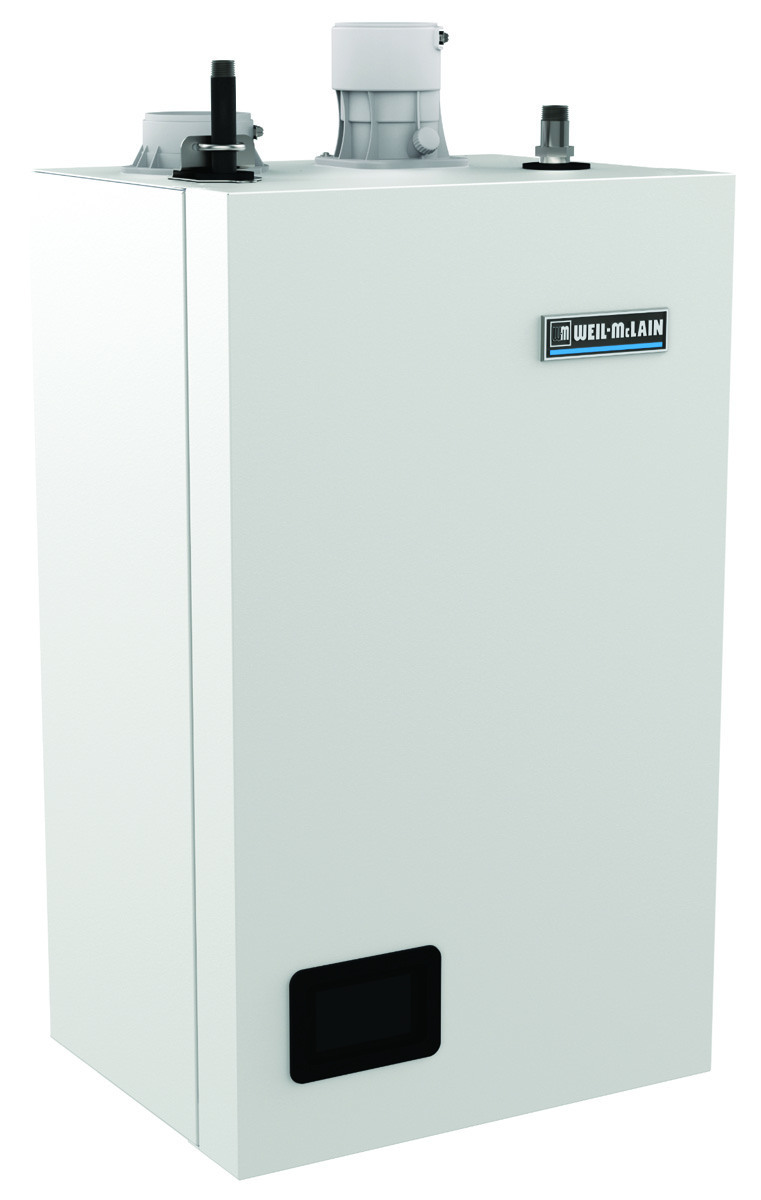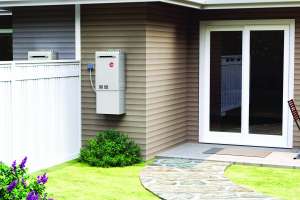
The Greenstar Boiler from Bosch Home Comfort USA is a gas-condensing boiler available in both heating-only and combi versions.

Singular combi boilers from Bosch Home Comfort provide heating and hot water for many residential applications.


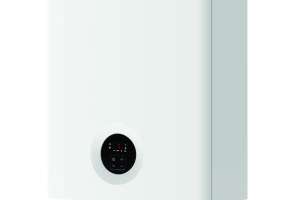
The Greenstar Boiler from Bosch Home Comfort USA is a gas-condensing boiler available in both heating-only and combi versions.
Singular combi boilers from Bosch Home Comfort provide heating and hot water for many residential applications.
The temperatures are dropping and that means one thing: boiler season is around the corner. As consumers begin scheduling their heating consultations, it is worth the time to conduct a refresher on the types of boiler installations available and how to best guide customers on the ideal solutions for their specific needs and wants.
Historically, there have been two main installation categories of noncondensing and condensing boilers. For years, technicians and consumers alike were choosing to install — or inherit during the buying process — a noncondensing boiler. The anticipated colder temperatures on the horizon coupled with rising fuel costs, however, have homeowners seeking out more and more products that offer better efficiency to conserve money during uncertain economic times.
As the trusted experts expected to know all the ins and outs of the latest industry advancements that best serve to retrofit the dwellings and occupants’ needs, technicians are finding themselves at the forefront of an industry shift. The innovations today, supported by research and development, are generating more interest in favor of condensing boilers. A leading alternative to traditional boilers, condensing boilers offer the ideal heating and hot water solutions to keep households at the ideal comfort levels all winter long.
Plus, the advantages of condensing boilers are second to none. So, let’s dive deeper into those benefits and learn more about this win-win solution for installers and consumers.
The way a condensing boiler works is by converting water vapor condensation into heat. Through this process, condensing boilers leverage previously lost energy to recycle waste gas and deliver 95% high-energy efficiency. To put this into perspective, noncondensing boilers — which use the gases produced from burning fuel to release heat through a flue — typically range anywhere from 80-85% efficiency and use 13% more fuel due to their operational model.
This means opting for a condensing boiler will help families decrease their carbon footprints without the need to sacrifice their desired heating level.
Condensing boilers alone can solve one of the main household energy consumption areas, but those wanting to take their green efforts a step further should select a combi condensing boiler. This solution can provide hot water and central heating via one unit, which in addition to reducing overall energy consumption can also save valuable square footage in homes.
The combi condensing boiler product offers the same conveniences as a standalone condensing boiler with hot water on demand and improved water pressure due to its connectivity to the main water supply.
While those benefits alone may be convincing enough, the fact remains that selecting a condensing boiler or combi condensing boiler will still end up saving consumers money, particularly gas bills, while also making them eligible for further energy rebates and tax credits that can save up to $2,400 depending on the selected model.
Currently, individuals can partake in several local and federal rebate programs for gas and hot water boilers, including Energy Star’s 30% project-cost tax credit for Energy Star-certified gas boilers with AFUE ≥ 95% or certain oil boilers.
The benefits of condensing boilers, however, are not only felt on the consumer side. As installers, the top priority will always be providing a high-quality experience for customers. However, there is something to be said about the age-old phrase: “time is money.”
Condensing boilers strip away the need for complex setups that often result in longer installation timeframes and unnecessary inconveniences for the homeowner. One such way these boilers allow for swiffer installations is due to the type of venting used.
In noncondensing boilers, it is required to use a metal venting system often via a traditional chimney or flue. The venting requirements for noncondensing boiler solutions mean there are more constraints on the installation locations, which can require more in-depth venting formats or home improvements that cost time and money. Conversely, condensing boilers do not require a metal venting system. Instead, condensing boilers can be vented through small areas, such as a side wall, to provide more flexibility utilizing the more cost-effective plastic PVC pipes.
Additionally, condensing boilers are also significantly lighter at an average of 80 pounds than their noncondensing counterparts, which can come in at more than 700 pounds with its cast iron boiler. The lightweight frame of condensing boilers allows for more placement options, such as being hung on a wall or sitting on the floor, that appear more attractive for homeowners due to their compact nature.
While it is true that more innovations are underway as installers and manufacturers alike challenge themselves to continue positive momentum on reducing carbon emissions, it is fair to say the condensing boiler is more than a one-time trend.
In fact, Bosch Home Comfort’s own market research shows that an average annual growth rate of 6.8% for condensing boiler installations was recorded over a five-year period from 2015-2020.
Its staying power, however, will need to be met with continued education. Technicians need to continue to counsel consumers on this growing trend, keeping them apprised of their newest options for heating and hot water. A key part of ensuring customer satisfaction with the product will need to include proper and ongoing maintenance for condensing boilers.
Failure to undertake regular care and maintenance guidelines is a major cause of improper operation or complete breakdown of boilers. Be sure customers know how and when to seek service for their unit in an effort to minimize any loss of heat or hot water and keep homes running at the desired comfort levels.
Christopher Kyes is a senior product manager for Bosch Home Comfort USA (formerly Bosch Thermotechnology), a leading source of high-quality, energy-efficient and environmentally sustainable heating, cooling and hot water systems.
Continue reading for free