
As the demand for energy-efficient and reliable heating solutions grows, hydronic heating systems have become a popular choice for residential and commercial installations.
For plumbers, understanding the intricacies of these systems is no longer optional — it’s essential. Hydronic systems are evolving with new technology, materials and installation techniques.
To stay competitive in the plumbing industry, continuous learning is key.
IMPORTANCE OF ONGOING EDUCATION
Hydronic heating systems have been around for over a century, but today’s systems are far more advanced than the cast-iron radiators of old. Modern hydronics involve high-efficiency boilers, radiant floor heating, smart thermostats and sophisticated zoning controls.
A plumber who was trained in the basics years ago might find themselves ill-equipped to handle a state-of-the-art hydronic system without continued education.
As manufacturers continue to release innovative products and governments push for stricter energy-efficiency regulations, it’s vital for plumbers to keep learning. The key to remaining relevant in the industry is embracing the mindset that there’s always something new to learn. Whether it’s the latest boiler technology or improvements in PEX piping, staying informed ensures you can offer the best solutions to your customers and grow your business.
1. Take Advantage of Manufacturer Training Programs
One of the best ways to stay up to date on hydronic heating systems is by participating in manufacturer training programs. Boiler and component manufacturers often offer free or low-cost training for contractors and plumbers. These programs are designed to provide hands-on experience with new products, installation techniques and troubleshooting procedures.
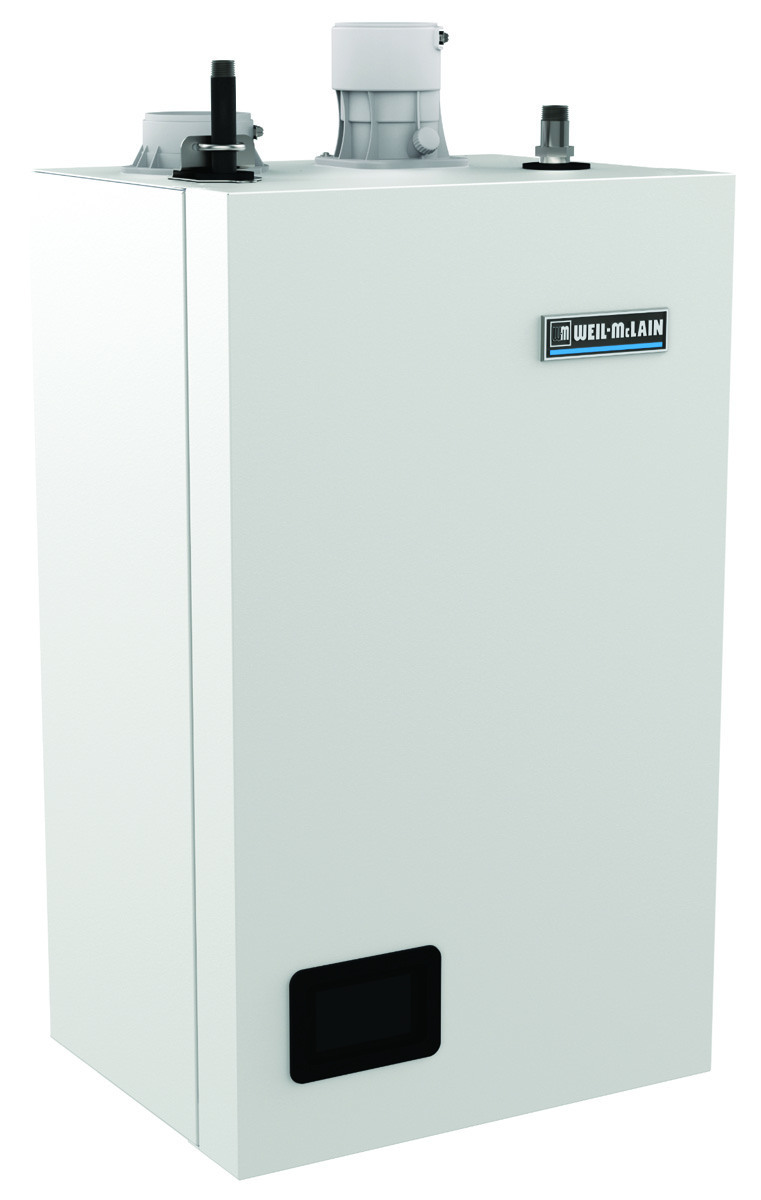
Companies such as Weil-McLain, Viessmann and Taco Comfort Solutions frequently offer in-person and online training sessions. These sessions cover everything from the basics of hydronic systems to the specific installation requirements of their latest products. These programs are not only an opportunity to learn, but also a chance to network with industry professionals who can provide insights into current trends.
By staying connected with the manufacturers who produce hydronic heating components, plumbers can gain early access to new technology and understand how it integrates with existing systems. This makes it easier to confidently offer customers the latest and most efficient solutions, helping to build trust and solidify your reputation as an expert.
2. Join Trade Associations and Attend Industry Conferences
Professional organizations like the Radiant Professionals Alliance and the American Society of Plumbing Engineers provide invaluable resources for plumbers who specialize in hydronic systems. These groups offer access to webinars, technical documents and industry updates that keep members informed about advancements in hydronic heating technology.
In addition to joining trade associations, attending industry conferences and trade shows is a great way to stay ahead of the curve. Events like the AHR Expo and PHCC CONNECT bring together professionals from around the world. These events showcase the latest products, provide demonstrations and offer educational sessions led by experts in the field.
Conferences and expos allow plumbers to see firsthand how new technology can improve efficiency, save energy and enhance system performance. It’s also an opportunity to speak directly with product representatives, ask questions and learn best practices from seasoned professionals. Furthermore, many of these events offer continuing education credits, which can help plumbers maintain certifications and licenses.
3. Leverage Online Resources and Continuing Education
In the digital age, plumbers don’t need to travel far to access the latest information on hydronic systems. Many manufacturers and industry organizations offer extensive online resources, including installation guides, troubleshooting videos and technical forums. For example, Uponor and Viega, two suppliers of PEX piping and fittings, offer online resources that cover hydronic system design, installation tips and product updates.
Plumbers can also take advantage of online learning platforms that offer continuing education courses. Websites like RedVector and Buildipedia provide courses on a wide range of plumbing topics, including hydronic heating systems. These platforms often allow plumbers to learn at their own pace and from the comfort of their own homes. The flexibility of online learning makes it easier for busy professionals to stay informed while balancing their workload.
Another key resource is online forums and discussion groups where plumbers and HVAC technicians share their experiences. Websites such as heatinghelp.com and contractor-specific forums allow professionals to ask questions, share solutions and discuss the latest trends in hydronic heating. These forums are a gold mine of real-world knowledge that can help plumbers troubleshoot complex issues, learn from others’ experiences and discover new techniques.
4. Work with Experienced Mentors and Collaborate on Projects
One of the best ways to learn about hydronic systems is through hands-on experience, and working alongside experienced plumbers is an invaluable opportunity for growth. Whether you’re an apprentice just starting in the industry or a seasoned plumber looking to expand your expertise, finding a mentor or collaborating with colleagues on larger projects can significantly enhance your knowledge.
Experienced plumbers who specialize in hydronic heating can teach critical installation and troubleshooting skills that aren’t always covered in textbooks or training programs. Watching how a veteran professional tackles complex system designs or solves problems on the job site can offer practical insights that you can apply in future projects.
Collaboration also opens the door to learning about newer products or methods that might not be part of your current workflow. For instance, teaming up with an HVAC contractor on a radiant floor installation project might expose you to advanced zoning techniques or cutting-edge controls that you haven’t used before. Expanding your professional network also allows you to stay connected to the latest industry trends and technologies.
5. Stay Informed About Local Building Codes and Energy Efficiency Standards
As energy efficiency becomes a higher priority for governments and consumers alike, plumbers need to stay informed about changing building codes and energy standards that impact hydronic heating systems. Local, state and federal regulations may require higher efficiency ratings for boilers or mandate-specific installation practices to improve energy conservation.
For example, condensing boilers have become the standard in many regions due to their ability to capture and reuse heat from exhaust gasses, making them far more efficient than traditional boilers. Plumbers who aren’t familiar with condensing boiler installation or maintenance may find themselves at a disadvantage as these units become more common.
By staying current on the latest regulations, plumbers can not only ensure that their installations are compliant, but also position themselves as knowledgeable professionals who can help clients navigate energy efficiency requirements and potential rebates or incentives.
CONSTANT EVOLUTION
In an industry that’s constantly evolving, staying up to date on hydronic heating systems is essential for plumbers who want to remain competitive and offer the best solutions to their customers.
From manufacturer training programs and online resources to trade associations and hands-on experience, there are numerous ways to continue learning and growing in this field.
By investing time in ongoing education and networking with industry experts, plumbers can ensure they are always ready to handle the latest advancements in hydronic heating technology.
Continue reading for free