Westie Magnuson



Westie Magnuson
Imagine being able to focus fully on revenue throughput, driving profits, sales and marketing strategies without having to worry about managing inventory. No more guessing what to order, buying in bulk or filling up your shop with months’ worth of parts.
Instead, your techs grab what they need, when they need it — and return any extras for an immediate credit back to your account.
That is the value proposition of vendor managed inventory. Leave inventory management to the experts so that you can focus on what you do best.
VMI has been growing in popularity across the trades over the past few years. For those of us who don’t have it yet or are unfamiliar with it, let’s dive into what it is exactly and the pros and cons involved.
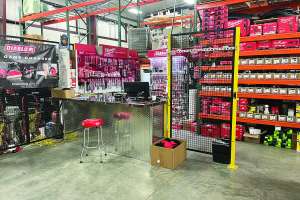
VMI is a system where your supplier both manages and restocks your inventory in your warehouse so you always have what you need on hand without the hassle of doing it yourself.
Just like you would want a professional plumber to do your plumbing, a professional HVAC tech to do your HVAC, and a professional electrician to do your electrical rather than a handyman (jack of all trades; master of none) — the same logic follows for managing inventory. VMI companies specialize in this and due to their expertise they help improve your operational efficiency, data tracking and bottom line.
The benefits of VMI include:
Potential downsides include:
That being said, my experience with VMI has been highly positive.
I have been a part of two separate companies when bringing on VMI and have found it to be largely beneficial, though not without challenges along the way.
I reached out to VMI company Standard Plumbing Supply to ask what was most important when onboarding with VMI vendors. Rich Evett, national VMI operations and sales, states: “Communication and flexibility are the keys to success. As long as there is an open line of communication and proper expectations are set then everything else tends to roll really smoothly.”
Standard Plumbing Supply has added nearly 20 shops to their network spanning 13 states. On average their customers see a 30% improvement in efficiency. Standard Plumbing Supply also provides operators as part of their business model which means they staff and run the VMI for you. Their goal is to “keep the plumbers plumbing!”
We all know the importance of good vendor relationships. They can be critical to smooth business operations, fair price negotiations and helping get you out of a last minute bind. This can be even more true than usual when it comes to a good VMI vendor relationship.
If you’re ready to streamline your operations, improve cash flow, and stay focused on what matters most, give VMI a try — it can be a game-changer for any business looking to work smarter, not harder.
------------
Westie Magnuson is the chief people officer for Cornel’s Plumbing, Heating & Air in Portland, Oregon. To comment on one of his Industry Insider columns or reach out to him, email editor@plumbermag.com.
Continue reading for free