When you enter a client’s home, you bring not only your tools and expertise but also the responsibility to offer the homeowner high-quality recommendations that guarantee efficiency, sustainability, and a genuine improvement to their plumbing system.
This approach allows you to utilize your time on site more efficiently, diminishes the likelihood of subsequent service calls, and is instrumental in forging enduring client relationships.
Here’s a look at six plumbing upgrades or updates you can offer customers.
1. Quarter-turn water stop valves and supply lines
One often overlooked but highly beneficial upgrade is replacing traditional multi-turn shut-off valves with quarter-turn stop valves. This alternative is an excellent choice for homeowners looking to increase the efficiency and user-friendliness of their plumbing system.
As the name suggests, quarter-turn valves require only a 90-degree turn to go from fully open to fully closed. This intuitive operation makes it simple for homeowners to shut off the water during an emergency or when performing routine maintenance, avoiding confusion and saving time.
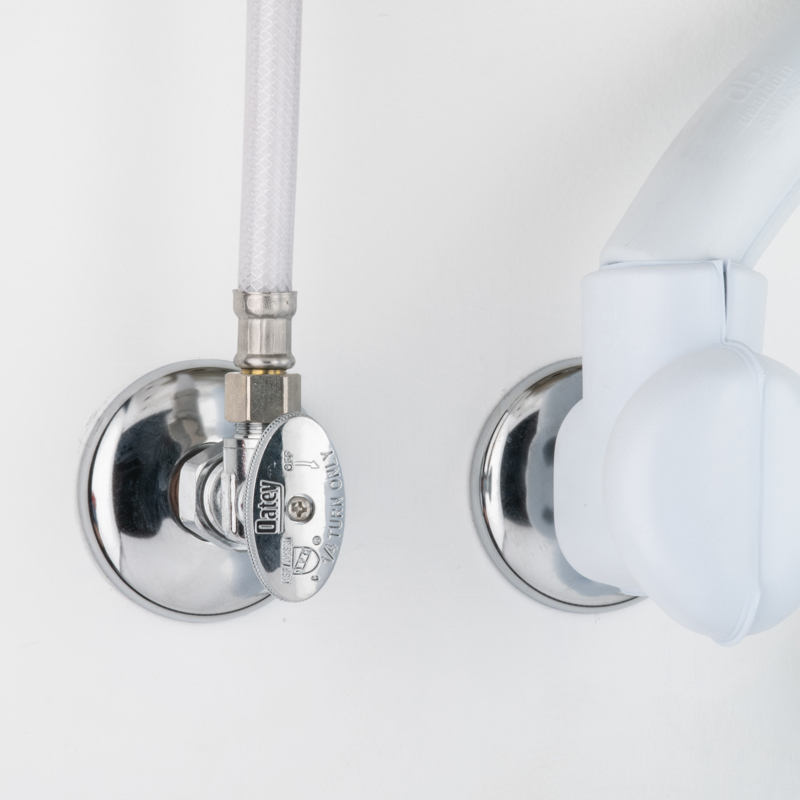
Oatey quarter-turn water stop valves provide easy on/off operation for controlling water flow and are designed for connections where a water line passes through a wall. With a brass-forged body and solid brass stem ensuring strength and durability, the valves are available in a variety of connection types, including copper compression, FIP, copper sweat, PEX, CPVC, push connect, and coarse thread.
Another upgrade, if it isn’t already part of your services when addressing problematic toilets, is to replace worn-out or older supply lines you notice. Oatey Supply Lines are designed to quickly and easily connect the water supply to appliances and are available in multiple connection types and lengths.
Built with a durable, corrosion-resistant, double-walled PVC tube, Oatey connectors bend freely and work with hot or cold water. Made of high-quality, braided stainless steel and vinyl, the supply lines are available for applications, including toilets, dishwashers, ice makers, faucets, washing machines, and water heaters.
2. Low-flow, low-flush products
Upgrading to low-flow fittings and low-flush fixtures is a smart move for homeowners looking to modernize their space, reduce water usage, and save on utility bills. This eco-friendly approach spans various water outlets in the home, including faucets, toilets, and showerheads, promoting significant water conservation.
Simple changes, like installing aerators on faucets, can drastically cut water flow and usage, combining air and water to maintain pressure while conserving. For kitchens, faucets with pull-out sprayers enhance cleaning efficiency with less water waste.
Modern dual-flush toilets offer a choice between low and standard-volume flushes, cutting down water use, especially compared to older, less efficient models. In showers, switching to a low-flow showerhead can significantly save water without compromising on pressure, with hand sprayers adding even more efficiency and flexibility.
3. Tankless water heater installation and annual flushing
Upgrading to a tankless water heater presents a multitude of benefits for homeowners, focusing primarily on efficiency, space savings, and long-term maintenance ease. Unlike traditional water heaters, which store water in a tank and continuously heat it throughout the day, a tankless water heater operates on demand, heating water only when it is needed. This eliminates the energy waste of holding and repeatedly heating water in a tank, including when no one is home.
The most compelling attribute of tankless water heaters is their superior energy efficiency. By heating water on demand, they avoid the energy losses associated with traditional tank heaters, which must maintain the temperature of stored water 24/7. This efficiency translates into substantial energy and cost savings over the long term, making tankless water heaters an eco-friendly choice for the conscientious homeowner.
While the upfront cost of a tankless water heater might be higher, they generally have a longer lifespan compared to traditional water heaters.
You can also offer additional services, such as annual maintenance, by returning to flush the system with a descaling kit. This ensures optimal performance and provides an opportunity for ongoing customer service.
The Haymaker Tankless Water Heater Descaler Kit from Oatey can be purchased at a local hardware store or plumbing supply house. The kit includes everything you need to descale a tankless water heater: one quart of Haymaker solution, two hoses with fittings, an electric recirculation pump, and a pail/bucket. For a plumber, having a kit on hand is important because you never know when you’ll need it for a client.
4. Leak detection devices
Thanks to their ability to prevent water damage and save money, leak detection devices are becoming a popular upgrade for homeowners. These devices, connected to the home’s water supply, use sensors to monitor water flow and automatically shut off the water if a leak is detected. Advanced systems can even pinpoint the leak’s location.
With the ability to connect to Wi-Fi and mobile apps, homeowners can receive instant leak alerts, monitor water usage, and control the water supply remotely, making these devices especially beneficial for those who travel. Investing in leak detection technology can protect property, conserve water, and reduce insurance costs, aligning with the trend of modernizing homes with smart technologies.
5. Hammer arrestors
Water hammer occurs when a water valve is suddenly shut off, causing a shock wave through the pipes. This shock wave can create loud banging noises and potentially damage or even burst pipes over time.
If you are working on a project and hear banging pipes, it might be an excellent opportunity to suggest hammer arrestors as a practical solution to this common problem. By installing hammer arrestors, homeowners can alleviate banging pipes, protect their plumbing infrastructure, and reduce noise.
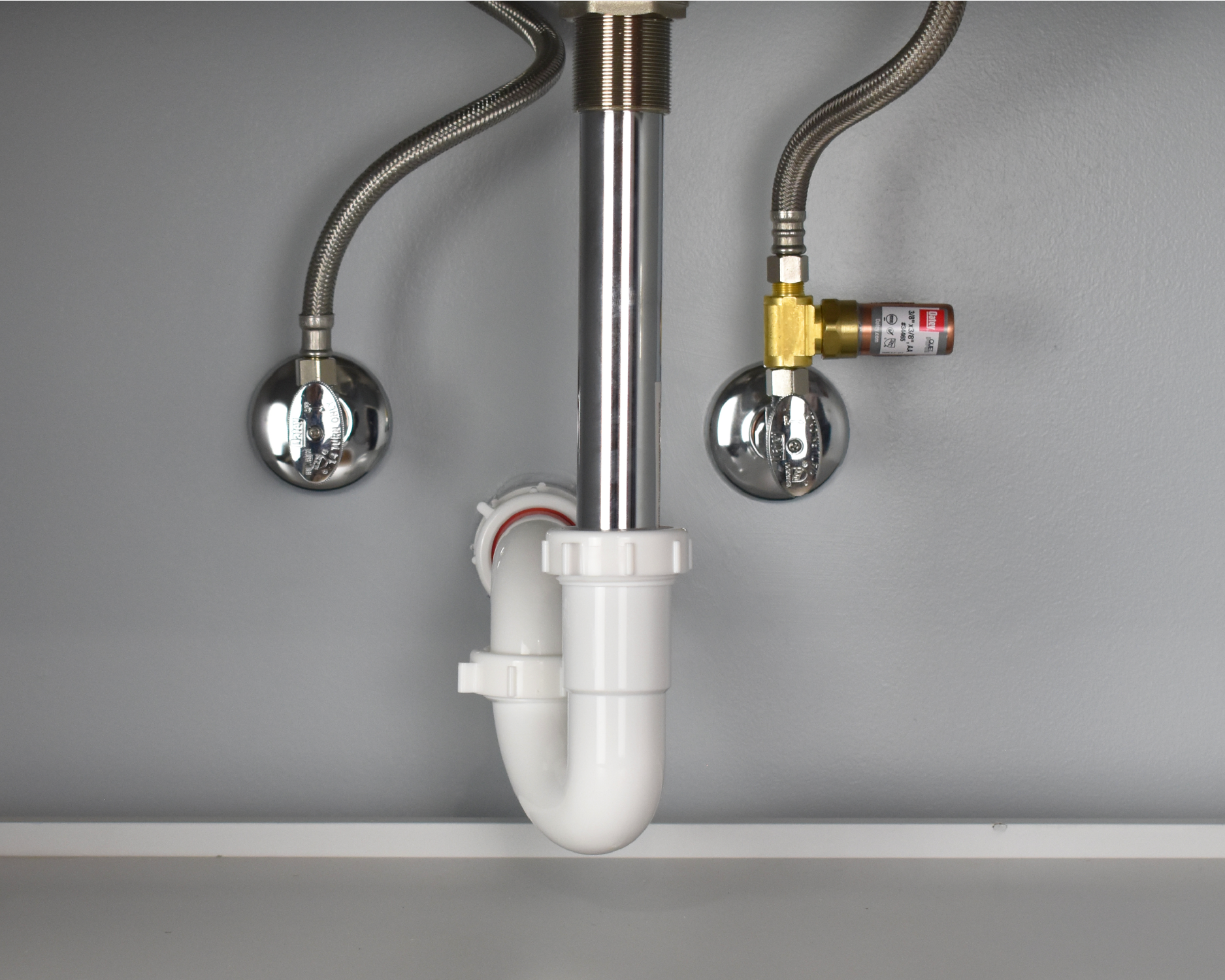
Oatey offers hammer arrestors installed directly on washing machines, angle stops, or valves under the sink or toilet. These don’t always require cutting into a line in the wall or basement, though those options are available, too.
For a plumber, the main challenge is often just access — whether the pipes are visible or not. If there is an issue with a specific fixture, you can easily install the hammer arrestors at the valve.
Additionally, you can inspect the visible pipes and, if needed, add pipe supports to ensure everything is properly secured. It’s another simple yet effective way to address potential problems and provide extra value to the customer.
6. Air admittance valves (AAVs)
In the intricate world of plumbing and home improvement, the efficiency of a home’s drainage system is crucial for its overall functionality and convenience. One aspect that homeowners might not initially consider is the proper venting of fixtures like sinks. Venting is essential for smooth operation and to avoid potential issues down the line.
Considering this, you may want to recommend installing a modern solution to venting plumbing fixtures: Air admittance valves (AAVs), especially when traditional venting is not feasible. AAVs allow air to enter the plumbing system to balance the pressure, ensuring water flows smoothly through the drain pipes. However, they are designed to close when not drawing air, preventing sewer gases from entering the home. AAVs are particularly useful when connecting to an existing vent stack is challenging or impossible due to the building's structure or layout.
Venting can be particularly problematic in kitchens with island sinks. Traditional vent pipes would need to travel across the kitchen floor substructure to reach a wall, which is both impractical and time consuming. An AAV can be installed directly under the sink or within the island cabinet, providing an easy and efficient solution.
Homeowners undertaking remodeling projects, such as rearranging a bathroom layout or finishing a basement, might find that their original plumbing vent system no longer efficiently or directly serves all new fixtures. Adding an AAV can rectify these issues, allowing for greater design flexibility without compromising the plumbing integrity.
In some cases, a home’s plumbing may have been installed initially without adequate venting for every fixture, perhaps due to oversight or outdated practices. Including an AAV during renovations or repairs can solve long-standing problems with slow drains or gurgling noises after flushing.

About the Author
Sean Comerford is manager of inside sales and tech support at Oatey. He is a third-generation tradesman with nearly 20 years of plumbing experience, including serving as the lead plumber for commercial/residential new-construction, service and fire protection jobs.
Continue reading for free