
Maintaining the functionality and efficiency of a commercial building is crucial for business owners and managers. Regular maintenance is essential for preventing costly repairs, prolonging the lifespan of systems, and ensuring a safe environment for employees and customers.
Plumbers play a vital role in this ongoing maintenance process. Here’s a look at how you as a plumber can specifically help commercial building owners stay proactive in their maintenance efforts.
Conduct regular inspections
One of the primary ways you can help keep a commercial building up on maintenance is by conducting regular inspections. Beyond routine check-ups, these inspections serve as preventive measures to identify any potential issues before they escalate into major problems. You can thoroughly examine plumbing systems, including fixtures, pipes, drains, and water heaters, to ensure they are functioning optimally.
During these inspections, you can assess the conditions of pipes, looking for signs of corrosion, leaks, or wear that could lead to future problems. You can also check the performance of fixtures such as faucets and toilets, determining if any malfunctioning components need replacing or repair. Additionally, you can inspect water heaters, examining the tank for sediment buildup, checking the temperature and pressure relief valves, and flushing the system if necessary.
By identifying and addressing minor issues early on, costly repairs and disruptions to business operations can be avoided.
Check for leaks
Water leaks can cause significant damage to a commercial building if left unchecked. You can play a proactive role in preventing leaks by conducting regular checks on all plumbing connections and fixtures. You can use advanced detection methods, such as thermal imaging or dye tests, to identify hidden leaks that may not be immediately visible.
You can also inspect the integrity of pipes, looking for any signs of damage, corrosion, or deterioration that may indicate potential leaks. Toilets, faucets, and sinks are also inspected for any visible leaks or drips. By promptly addressing leaks, you can mitigate the risk of water damage, mold growth, and structural issues that can adversely impact a commercial building's integrity.
Maintain drainage systems
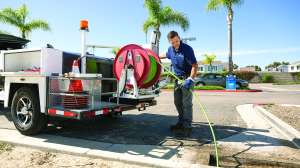
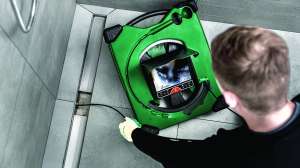
Effective drainage systems are vital for commercial buildings, as they ensure proper wastewater disposal and prevent flooding. You can help keep commercial buildings up on maintenance by regularly cleaning and maintaining drainage systems. This involves the careful removal of any accumulated debris, including sediment, grease, hair, or other potential clog-causing substances.
You can inspect drains and pipes for any blockages or signs of deterioration that may hinder the drainage process. By addressing these issues proactively, plumbers prevent water backups, foul odors, and potential health hazards. You can also provide recommendations for implementing preventive measures, such as installing drain screens or grease traps, to minimize the risk of future clogs or system failures.
Test backflow prevention devices
Backflow prevention devices are essential in commercial buildings to prevent contaminated water from flowing back into the main water supply. You can periodically test and maintain these devices to ensure they are functioning correctly. This involves assessing the pressure and ensuring that the device seals properly.
By verifying the performance and integrity of these devices, you help safeguard the water supply against potential contamination, ensuring the premises meet health and safety standards. You can also provide necessary repairs or replacements if the devices fail to operate as intended.
Maintain water heaters
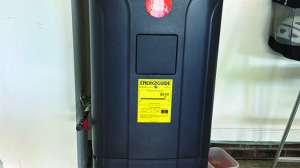
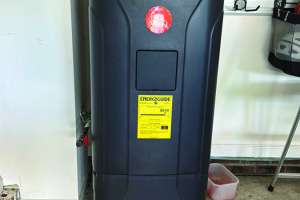
Hot water is crucial in commercial settings, whether for employee use or customer comfort. You can assist in maintaining water heaters by checking the efficiency and performance of these systems. You can inspect the heating elements, thermostat settings, and the overall condition of the tank.
During maintenance, you can flush the tanks to remove sediment buildup that can affect heating efficiency. You can also inspect the temperature and pressure relief valves to ensure they are functioning correctly. By performing these regular maintenance tasks and identifying potential problems early on, you can maximize the lifespan of water heaters, prevent sudden breakdowns, and reduce energy consumption.
Offer preventive maintenance programs
To encourage proactive maintenance, you can develop preventive maintenance programs tailored to the specific needs of commercial buildings. These programs can include scheduled inspections, proactive cleaning of drains and pipes, filter replacements, and other preventive measures.
You can work closely with property owners or facility managers to establish a maintenance schedule that ensures regular checks, adjustments, and upkeep of the plumbing system. By partnering with a professional plumber, commercial building owners can establish a proactive maintenance routine that addresses potential issues before they escalate, saving time, money, and business disruption in the long run.
Educate building owners and staff
You can also play a proactive role in maintenance by educating commercial building owners and staff on best practices for plumbing system care. This includes teaching them how to identify signs of potential issues, providing guidance on water conservation techniques, and offering tips on regular maintenance tasks they can perform on their own.
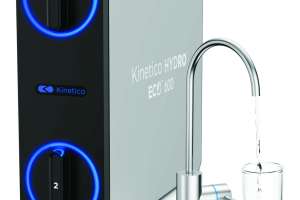
An example of this would be holding a training session for a building or campus maintenance department on some new thing you’ve installed. For example, we recently installed a bunch of frost-proof bottle filling stations on a campus and held a training day on how they work, quick fixes for units that run continuously, etc.
A final word
Maintaining a commercial building requires a proactive approach to prevent costly repairs, ensure optimal functionality, and provide a safe environment for occupants. Plumbers play a crucial role in this process.
By conducting thorough inspections, using advanced leak detection methods, performing scheduled maintenance of drainage systems, testing backflow prevention devices, optimizing water heater performance, customizing preventive maintenance programs, and providing valuable education, plumbers can offer comprehensive solutions that keep commercial buildings up to date on maintenance.
About the Author
Anthony Pacilla is a registered master plumber for McVehil Plumbing in Washington, Pennsylvania. He has over two decades of experience in the plumbing and HVAC trades and has a bachelor’s in business and economics from Thiel College.
Continue reading for free