Sewer systems often encounter challenges due to the intrusion of excessive inflow and infiltration.
Inflow occurs when stormwater and surface runoff enter the sewer system through incorrect connections, while infiltration refers to groundwater seeping into the sewer system via pipe leaks and cracks. These issues can lead to overwhelmed sewer capacity, system failures, and environmental pollution.
Here we’ll look at the vital role of plumbers in managing I&I in both private and public sewer systems.
Understanding I&I issues
I&I presents significant challenges to sewer systems in both the private and public sectors. When groundwater seeps into the pipes, it augments the overall flow volume, leading to increased wastewater treatment costs.
Additionally, I&I can cause sewer overflows during rainfall events, resulting in property damage, basement flooding, and environmental contamination. It is imperative for plumbers to possess the necessary skills to identify and address infiltration issues promptly.
Causes of I&I
The causes of I&I in sewer systems are multifaceted. They include deteriorated pipes, cracked or broken joints, inadequate maintenance, invasive roots, aging infrastructure, and cross connections between storm and sewer lines. Older sewer lines are often more susceptible to cracks and leaks, exacerbating I&I problems. Cross connections or improper downspout, sump pump, and stormwater pipe connections can introduce excessive inflow, compounding the challenges.
Effects of I&I
I&I can have severe consequences not only on the sewer system but also on the community and the environment. Excessive I&I can lead to sanitary sewer overflows, increasing the risk of raw sewage spills into streets, water bodies, and even residential basements. These overflows may contribute to the contamination of drinking water sources, posing a significant threat to public health. Moreover, higher flow volumes resulting from I&I can overwhelm treatment plants, decrease their efficiency, and potentially damage equipment.
The role of plumbers
Plumbers utilize their expertise and hands-on experience in sewer system maintenance to effectively manage I&I issues. They play a crucial role in identifying, assessing, and mitigating I&I problems in both private and public sewer systems. Let's delve into each aspect in detail.
Inspections and assessments: Plumbers perform comprehensive inspections of sewer lines using advanced techniques such as CCTV inspection. This enables them to identify areas prone to infiltration, including cracked pipes, misaligned joints, or other structural issues. They also inspect property connections to ascertain potential sources of inflow. By conducting thorough assessments, plumbers can create precise action plans to address I&I problems.
This is especially helpful when you explain to a homeowner that they will have to deal with this if and when they ever sell their house.
Repairs and rehabilitation: Once infiltration issues are identified, you can employ various repair methods to rectify the problems. These methods can include pipe replacement, pipe stents, pipe lining and pipe bursting. It might be a good time to say to the customer, “I know this may have been OK in the 1930s when it was installed, but modern plumbing codes don’t allow this and for good reason.”
It’s also a good time to explain the downsides of not doing anything at all about it. I once had a customer whose sewer was unknowingly connected to a city storm drain. When the storm system backed up during a period of excessive rain, it looked like her garage door was a broken levy. Water and sewage were pouring out, ruining everything in its path with no way to shut it off.
Unless you work in an area that still utilizes combination sewers, quote the re-routing of downspouts, separate sewer and storm, and replace terra cotta pipe that is allowing infiltration.
Education and public outreach: Education and public outreach are integral aspects of managing I&I. Plumbers can play a pivotal role in raising awareness about the significance of I&I management in the community. Work on explaining to homeowners about proper sewer system usage, urging residents and businesses to employ responsible practices. By reducing I&I from sources like storm drains, roof gutters, and foundation drains, plumbers help mitigate the volume of surface water entering the sewer system, consequently minimizing infiltration issues.
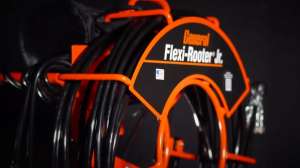
Routine maintenance: Regular maintenance is of paramount importance in managing I&I. Plumbers ensure proactive maintenance by performing tasks such as cleaning, root cutting, and system flushing. These preventive measures significantly reduce the likelihood of blockages and damages that could escalate I&I over time. I’m sure you’ve seen backups that flow out of hub and spigot joints on terra cotta piping; it’s not good. By staying ahead of potential issues, plumbers prevent I&I from exacerbating problems and prolong the lifespan of sewer systems.
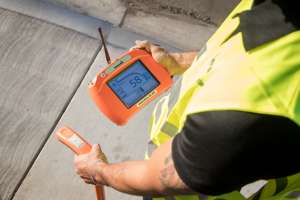
Technological advancements: As the industry continues to advance, plumbers integrate new tools and technology to strengthen I&I management efforts. Advanced leak detection devices, modern inspection techniques, and innovative repair methods are constantly being employed. Recently, near where I work, a municipality forced high-pressured dyed water into the ground to see if it came out in a nearby manhole. If it did, it would’ve necessitated a sewer replacement.
Stay abreast of the latest industry developments to enhance your ability to combat I&I effectively. By harnessing technological advancements, they improve the accuracy of inspections, increase repair efficiency, and achieve better overall outcomes.

About the Author
Anthony Pacilla is a registered master plumber for McVehil Plumbing in Washington, Pennsylvania. He has over two decades of experience in the plumbing and HVAC trades and has a bachelor’s in business and economics from Thiel College.
Continue reading for free