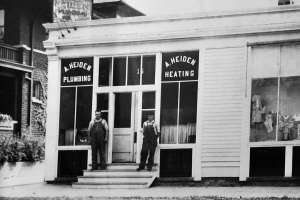

Several years after getting his plumbing license, Bill decided it was time to open his own company. Bill considered himself an above average plumber with great customer service skills.
How hard could it be to run his own, successful, plumbing company? Bill did what many new companies do: Bill decided to base his prices on what his competitors are charging. A year or so after starting his business, Bill hired another plumber. The sky was the limit! The phone almost rang enough to keep both plumbers busy, which was OK because Bill was wearing a lot of hats. He was answering the phones, dispatching, writing checks to pay the bills and he was running service. Bill was an employee in his own company. He didn’t feel like he owned a business, he felt like the business owned him.
Several months after his new plumber started, he quit. He had a baby on the way and his new family needed health insurance. Bill was beside himself. He was ready to quit and go back to working for his former employer.
Bill’s problem wasn’t his plumbing knowledge. Someone taught him to be a great plumber, but nobody taught Bill how to be a business owner. Bill realized that he needed help and he remembered that he had received a few invitations to join some best practice groups. If these companies did what they claimed, Bill could find some of the answers that he needed.
For plumbing companies, the benefits of best practice groups can be significant. These groups provide an opportunity for plumbing professionals to share knowledge and experiences, learn about new technologies and best practices in the field, and network with others in the industry. This can lead to improved performance and increased efficiency for plumbing companies, as well as greater satisfaction and retention of top talent.
One of the primary benefits of best practice groups for plumbing companies is the opportunity for learning and professional development. Plumbing professionals who participate in these groups can stay up-to-date with the latest industry trends and technologies as well as learn about new techniques and approaches to problem-solving. This can help them to provide better service to their clients and to work more efficiently, which can lead to increased profitability for the company.
In addition to learning opportunities, best practice groups can also be a valuable resource for networking and building professional relationships. Plumbing professionals who participate in these groups can connect with others in the industry, both locally and nationally, and build relationships that can be beneficial for their careers and their businesses. This can be especially valuable for plumbing professionals who work in small companies or in isolated locations, as it provides them with a support network and access to a wider pool of expertise.
Another key benefit of best practice groups for plumbing companies is the opportunity to improve performance and increase efficiency. By sharing best practices and ideas, group members can identify and address common challenges and find ways to work more effectively. This can lead to increased productivity and better outcomes for the organization as a whole. Additionally, by providing opportunities for learning and professional development, best practice groups can help plumbing companies retain top talent and improve employee engagement.
To get the most value out of a best practice group, it’s important for plumbing companies to ensure that the group has a clear purpose and focus, and to have a diverse group of participants. Regular meetings and communication are also crucial for maintaining momentum and keeping group members engaged. By participating in a best practice group, plumbing companies can tap into the collective knowledge and expertise of their peers and improve their performance, leading to better outcomes and greater success.
There are many best practice companies to choose from, so how do you decide which is best for you? Here is some information that you can look for:
Ask for testimonials. If they have a happy customer base, ask to speak to one or two of their contractors to see what they like and don’t like. Also, has their company grown since they have been a customer?
Ask why they are different from other best practice groups. Do they provide a variety of tools for you to choose from to use to grow your company, or do they supply a one size fits all approach that has been successful?
What is their agreement like? Will you be locked into a many year’s long agreement, or would you be able to cancel if things don’t work out for you?
As part of their agreement, do they get a percentage of your revenue? If so, are their customers successful and able to deal with the loss of revenue because they have been more successful because of their membership with that specific group?
Do their customers openly share information with one another? Sometimes it’s better to get the answers you need from those that have faced the problems you have faced and have found solutions.
Do they provide coaching and training for all business aspects of your office and sales training for your plumbers? Sometimes you need a little extra and access to coaches can be a big deal to all sizes of companies.
Do they have a buying group? Best practices groups with many customers often provide rebates to their customers or special pricing to a large number of the vendors in their buying program.
Whether you are just starting your business, or you have been in business for a number of years, finding the right best practices Group may be what you need to grow your business and to be successful in the future.
------------
Dave Bailey is the vertical market manager, plumbing for Service Nation Inc. and has 25 years working in the plumbing industry — 23 in the field. If you would like to send a message to him, email dbailey@servicenation.com.
Continue reading for free