
If you work in flood-prone areas, your role is crucial in protecting properties from water damage.
Flood risks from hurricanes, heavy rainfall, or low water tables can lead to contamination, backflow, and structural issues. In these regions, plumbers must focus on creating systems that prevent water infiltration and ensure essential components remain operational, even when floodwaters affect a property.
Here are 10 best practices to ensure your installations and maintenance work are flood-resilient and up to code.
1. Understand flood risks in the area
Before starting a project, use FEMA maps and local resources to determine if the property is in a high-risk flood zone. Recognize site-specific vulnerabilities such as high water tables or poor drainage systems, and always consult local building codes to ensure compliance with flood-resilience requirements. Homeowners can also talk to real estate agents to gain insights into the area's flood history, which can provide valuable context for assessing flood risks and determining appropriate preventive measures.
2. Plan with flood-resilient designs
Start every project with a thorough site assessment to understand soil stability and water flow patterns. Use durable, flood-resistant materials like PVC, PEX, or corrosion-resistant metals. To minimize damage during flooding, integrate essential features like elevated pipes, shutoff valves, and robust drainage systems like properly sized gutters, downspouts, and storm drains.
3. Install backflow prevention devices
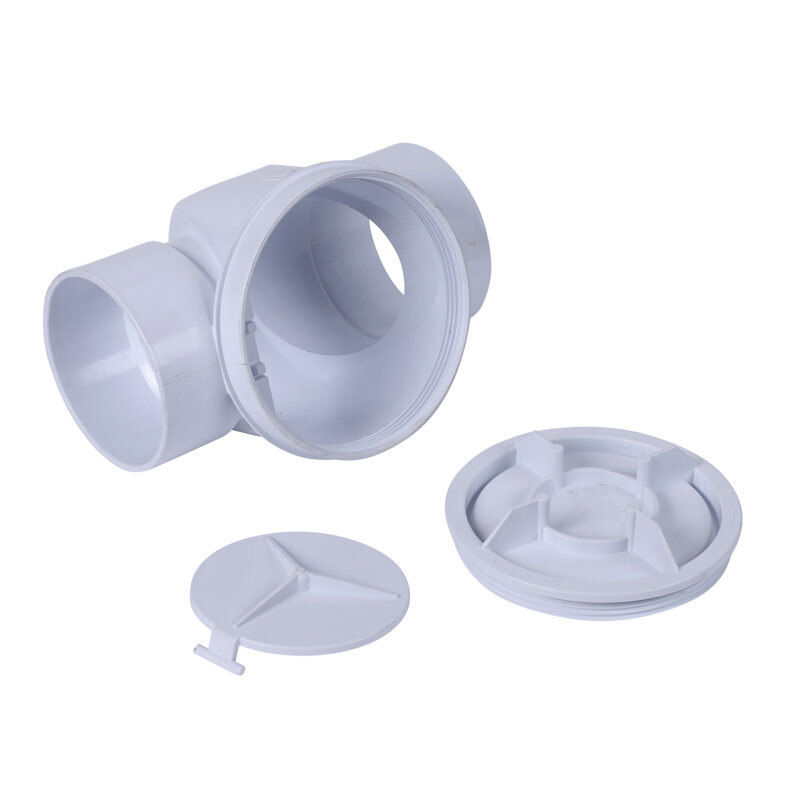
When constructing or retrofitting a building, installing backwater valves on the main sewer line and check valves in individual plumbing systems is vital to prevent sewage backups. These valves address flow reversal, with a flapper’s elastomeric seal providing a tight closure to block fluid entry. They are especially useful during power outages and sewer blockages or in protecting low-lying areas like basements from backflow, reducing property damage, and safeguarding occupant health.
For basements, consider integral floor drains that combine a trap and backflow device in one unit, simplifying installation while preventing backflow and sewer gases from entering living spaces. These measures provide comprehensive protection and enhance overall safety.
4. Elevate key plumbing components
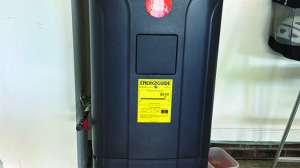
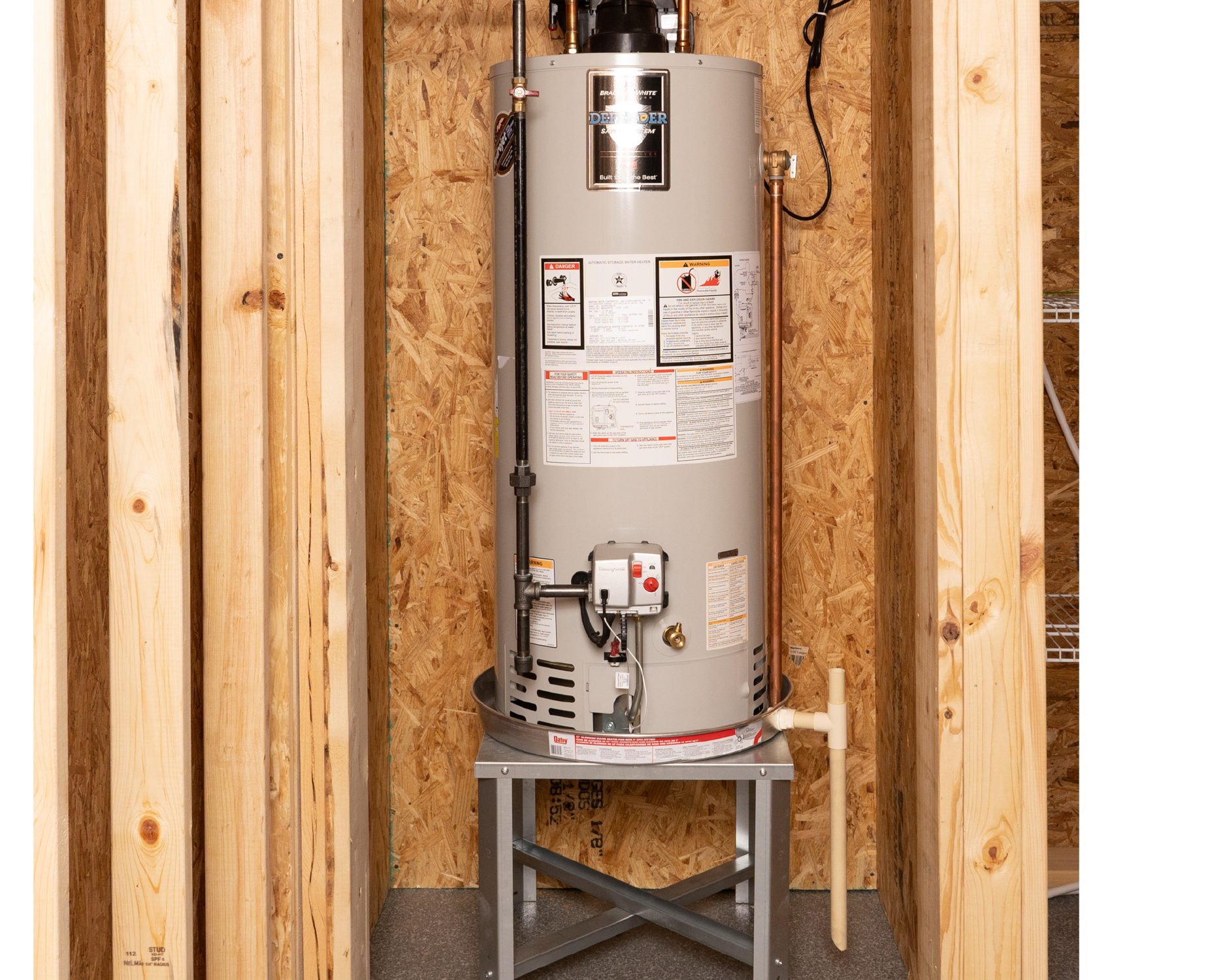
Raise vital components such as water heaters, washing machines, and outdoor HVAC units above expected flood levels. For example, a water heater stand can be used to help elevate water heaters safely, reducing the risk of flood damage.
Use flexible supply lines to absorb movement from ground shifts without causing damage. Constructed of durable, corrosion-resistant material, Oatey connectors bend freely and work with hot or cold water. These supply lines come in a variety of sizes and connection types.
Secure all fixtures to prevent displacement during heavy water flow.
5. Install and maintain sump pumps
Position sump pumps at the property's lowest point, typically in basements or crawlspaces. Install a sump pit large enough for efficient drainage and ensure the pump has a reliable battery backup to keep it running during power outages.
Check the manufacturer's recommendation on how often to test the pump. Test the system by filling the pit with water to ensure the float switch activates and the pump expels water quickly. Clear the pit and discharge pipe of debris, and clean the pump’s intake screen to prevent clogs.
6. Seal vulnerable penetrations
Floodwater can cause significant damage by infiltrating even the smallest cracks in plumbing joints and pipes. Check all pipe entry points through walls and floors, and seal them using waterproof materials like silicone, polyurethane, or specified wraps. Oatey’s Hercules Plastic Seal provides durable, long-lasting protection against moisture intrusion, ensuring plumbing joints remain secure and watertight during extreme weather events. It can also be used on frame openings, ductwork, wood, masonry, and more.
Plumbers should conduct these checks before seasonal flooding, extreme weather events, routine maintenance, and major plumbing work to ensure continued protection. Seals should also be regularly inspected for cracks or wear and reapplied as necessary to maintain watertight protection.
7. Prepare for emergencies
Encourage property owners to shut off plumbing systems ahead of severe weather to prevent burst pipes or flooding. Advise them to keep gripper plugs on hand to block backflow from drains during heavy rains or floods. These plugs can prevent sewer backups from entering the home.
Ensure sump pump alarms are functional by checking the battery and wiring, and testing the alarm to confirm it activates during rising water levels. This provides an early warning of potential flooding.
8. Conduct post-flood inspections
After a flood, inspect the plumbing system for debris, damage, or blockages, especially in backflow prevention devices and sump pumps. Use inspection cameras to locate cracks or breaks in sewer lines. Replace compromised fixtures, including water heaters, to prevent contamination issues.
9. Properly stock your truck
Be prepared for flood-related issues by keeping key supplies on your truck. Store backflow prevention devices to protect the plumbing system, rain gear and sturdy boots for wet conditions, and a reliable flashlight for working during power outages. A small pump is also essential for quickly removing water from basements or crawl spaces.
10. Educate homeowners and businesses
Take the time to explain flood preparedness to your clients. Simple actions, such as elevating water heaters and appliances, keeping sump pumps in working order, and sealing plumbing components properly, can significantly reduce the risk of flood-related damage.
Additionally, encourage homeowners and businesses to create flood evacuation plans and conduct periodic drills to prepare for potential disasters.
About the Author
Sean Comerford is a technical applications manager at Oatey. He is a third-generation tradesman with nearly 20 years of plumbing experience, including serving as the lead plumber for commercial/residential new-construction, service and fire protection jobs.
Continue reading for free