You’ve been submitting bids left and right, and it finally paid off: You landed a year-long contract with a local municipality to clean and line the problem areas of their sewer system.
But this new windfall comes with logistics questions every contractor has to ask themselves, such as hiring extra hands, managing client calls, and having the right equipment to do the job.
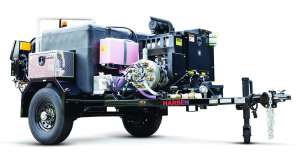
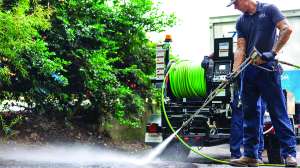
Whether it’s your first time or your 10th, purchasing jetting equipment is a significant investment. No one wants to pay more in rental fees than what it costs to buy a jetter. But the potential of a jetting truck sitting in the yard after the project ends, while the monthly note, insurance, and registration fees pile up, isn’t ideal either.
Ultimately, making the decision to rent or buy jetting equipment depends on how often your team will use it, your available capital and credit, and your business's ability to maintain and manage it.
Frequency of use
When you’re shopping around at the dealership, you’ll likely hear the upsides of buying: equipment that pays for itself, 24/7 availability, and resale value. These are all valid.
However, whether purchasing a jetter is right for your company depends on how often you will use it over its lifetime. If your team is running jobs weekly or even daily, owning a jetter will pay for itself quickly. But if you only see heavy-duty cleaning jobs a few times a year, renting might be smarter, even if the per-day cost feels painful.
For newer contractors still building their project pipeline and figuring out the work they prefer, frequency of use may be an unknown. Renting allows you to take the jobs you win without committing to equipment long term and scrambling to keep it busy.
If you're established and expanding, you might already own a few jetters and rent extra during the peak season. That approach gives you breathing room without committing long term and lets you test your growth. Ultimately, frequency of use is about your workflow, your market, and how reliably you can keep busy.
Upfront cost
New jetting units can have six-figure price tags. And while financing is widely available, most lenders require a significant down payment. That puts pressure on your cash flow and makes the timing of your purchase just as important as the price. Stretch too thin and you risk missing other growth opportunities — or falling behind if the work doesn’t materialize as expected.
Renting, on the other hand, preserves cash reserves. You’re paying more per day, but you’re not locking yourself into a long-term financial obligation. This can be the safer route for newer companies until revenue becomes more predictable. If your credit needs work or your business doesn’t have much borrowing history, renting might also be your best path forward while you build them.
The right choice isn’t always about what’s cheaper in the long run. It’s about what your business can carry today without putting the rest of your operation at risk.
Ongoing costs
Buying jetting equipment isn’t a one-and-done decision. Ownership comes with a steady stream of recurring expenses like fuel, insurance, registration, and maintenance. These recurring expenses are budget busters that make or break profitability.
When you rent, those headaches don’t belong to you. The rental company handles service, upkeep, and repairs. If something breaks, they replace it. That means fewer surprises and less downtime. But renting has its own hidden costs: Jobs get delayed and rental clocks don’t stop ticking. Prices can fluctuate. There can be inconsistent availability.
While it comes with a cost, ownership gives contractors stability. Your truck is always available, and your costs are more predictable. You can budget long term for oil changes, filter replacements, and wear — and you’re not paying markup for someone else to manage it.
Maintenance capabilities
When you own a jetting truck, you’re responsible for keeping it running. That means:
Routine oil changes, nozzle cleaning, and hose inspections.
Tracking service intervals and part replacements.
Responding when something goes wrong.
If you have a shop maintenance crew or a service contract, you’re prepared for this. But if you're a small, scrappy team doing it all, those repairs can quickly become learning experiences or unexpected expenses.
“Maintenance and repair costs are high — $25,000 for a water pump, $10,000 for a new sand machine,” says Mark Fischer of Cam-Vac in Sandwich, Illinois. “We send our Vactor truck to the local dealership. Having a dealership nearby is a big reason why we buy their products. Less time in the shop is more time in the field.”
Renting removes this uncertainty. The machine arrives ready to work, and if anything goes sideways, the rental company is on the hook. Many offer same-day swap-outs if there’s a breakdown, which means fewer delays for your crew and your clients. Don’t just ask yourself if you can afford to buy. Ask if you can afford to own, which includes planning for the time, tools, and support needed to keep your investment in the field.
Flexibility
Sewer cleaning jobs are rarely identical, calling for a different approach and tools each time. When you rent, you can match the machine to every bid. Need higher pressure for root cutting? Hot water for grease? The rental yard has it at your disposal, whereas the machine you own might box your services into a corner or be suboptimal for the job. Deciding how flexible your tool kit needs to be can help you gauge whether buying or renting best serves your operation.
“For folks who travel to jobs, renting on location can make more sense instead of dragging equipment hundreds of miles,” says Josh Munson, co-owner of Premier Sewer & Septic Service in Sandwich, Illinois. “Transporting equipment is risky. You have to allocate a lot of resources.”
Rentals also grant you access to the latest gear, including models with improved fuel efficiency, water recycling systems, and advanced control panels.
If there’s a machine you’ve been considering that you know would be an asset to your business, renting comes in handy again. Not sure if your crew can handle a setup with a high gpm or if a trailer unit will meet your needs? Renting lets you test that out in the field.
On the flip side, owning has its own kind of flexibility: the freedom to move fast. When an emergency call comes in, your truck is in the yard and ready to roll. You’re not calling around to see what’s available or settling for the wrong machine.
“Residential is mostly emergency work, so we have to respond quickly,” says Zach Munson, co-owner of Premier Sewer & Septic Service. “Our Spartan Soldier enables us to be available for the urgent needs of our customers.”
One size doesn’t fit all
Deciding whether to rent or buy a jetting truck isn’t just about numbers on a spreadsheet. It’s about knowing how your business runs, what your market demands, and where you’re headed next.
Renting gives you flexibility, lower upfront risk, and access to the newest gear. Buying gives you long-term value, availability, and control. Each option has trade-offs, and most contractors find themselves both renting and owning at different stages in their business.
“Ultimately, you have to run the numbers to decide,” Josh Munson advises.
Continue reading for free