As the plumbing industry evolves, many professionals are looking for ways to expand their services and increase revenue. One of the most logical areas for diversification is the septic and sewer industry.
Offering septic system installations, maintenance and sewer line repairs can provide additional income streams and help build a more comprehensive service portfolio. However, stepping into this field requires specialized knowledge, equipment and business strategies.
Here are some crucial tips for plumbers looking to successfully diversify into the septic and sewer industry.
Understand the Regulations and Licensing Requirements
The septic and sewer industry is highly regulated, and requirements can vary by state and municipality.
Before offering services, plumbers must research local and state codes, obtain necessary permits and complete required certifications. Some jurisdictions may require additional licensing beyond standard plumbing credentials, including environmental health certifications or wastewater treatment licenses.
Staying compliant is essential to avoid legal complications and ensure customer trust.
Invest in the Right Equipment
Unlike traditional plumbing jobs, septic and sewer work often requires specialized equipment. Essential tools include:
- Septic Tank Pump Trucks: Necessary for pumping out and maintaining septic systems.
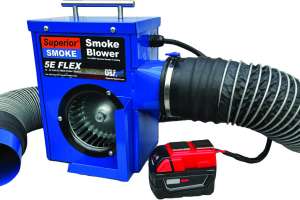
- Sewer Inspection Cameras: These allow for thorough diagnostics of sewer lines to identify blockages, cracks or other issues.
- Hydrojetting Machines: Useful for clearing clogged sewer lines efficiently.
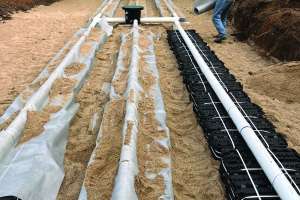
- Excavation Equipment: Backhoes or trenchers may be required for installing or replacing septic systems.
While purchasing new equipment is a significant investment, renting or leasing equipment initially can be a cost-effective strategy for plumbers entering the industry.
Gain Hands-On Experience and Training
Even experienced plumbers should seek additional training before handling septic and sewer jobs.
Attending industry workshops, joining professional organizations like the National Onsite Wastewater Recycling Association, or partnering with experienced septic professionals can provide valuable insights.
Hands-on experience will help plumbers learn about soil percolation tests, system design considerations and troubleshooting techniques unique to septic and sewer systems.
Build Relationships With Local Health Departments and Inspectors
Septic system installations and repairs often require inspections from local health departments. Establishing a positive working relationship with inspectors can help streamline the approval process and ensure compliance with all regulations. Additionally, networking with these officials may provide leads on upcoming projects and referrals.
Educate Customers on Septic System Maintenance
Homeowners and businesses often lack knowledge about proper septic system care, leading to avoidable failures and costly repairs. Plumbers entering the septic industry should take an educational approach by offering maintenance tips, such as:
- Pumping the septic tank every three to five years
- Avoiding nonbiodegradable items in toilets and drains
- Being mindful of water usage to prevent overloading the system
- Using bacteria-friendly cleaning products to maintain microbial balance in the tank
- Providing education not only helps customers but also establishes the plumber as a trusted expert in the field.
Stay Up-to-Date on Industry Trends
Septic and sewer technology continues to evolve with advancements in bio-friendly treatment solutions, alternative septic systems and trenchless sewer repair methods.
Plumbers should stay informed by attending industry trade shows, subscribing to wastewater treatment publications and participating in online forums or webinars.
Expanding into the septic and sewer industry can be a profitable move for plumbers willing to invest in the necessary training, equipment and marketing.
By understanding regulations, building strong relationships with inspectors and customers, and staying updated on industry advancements, plumbers can successfully diversify their business and establish themselves as trusted experts in septic and sewer services.
With proper preparation and dedication, this expansion can lead to long-term business growth and increased revenue opportunities.
Continue reading for free